Stop UHT Fouling and Cloudy RTD Beverages with Engineered Bovine Collagen Type I & III
Adding standard bovine protein into a clear, fruit-flavored Ready-to-Drink (RTD) beverage causes three immediate manufacturing failures: it burns onto UHT pasteurizer plates (thermal fouling), it turns the liquid into a thick syrup that damages transfer pumps, and it clumps into a cloudy sludge in acidic environments. 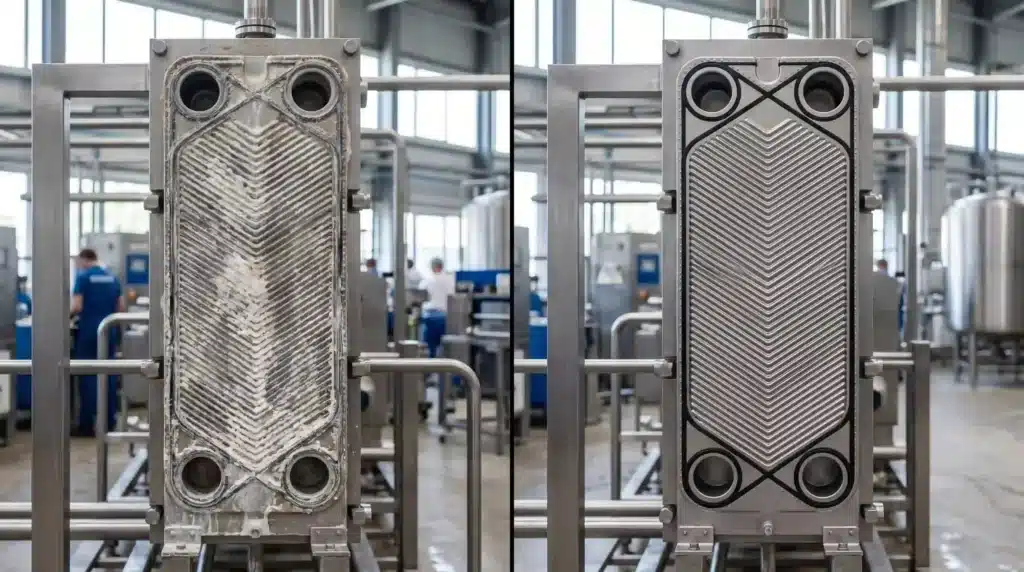
The only way to permanently fix these mechanical and chemical bottlenecks is to change the physical behavior of the raw material. By switching your formulation to Atnutra highly refined, enzymatically hydrolyzed Bovine Collagen Type I & III, you eliminate these problems. Our engineered micro-peptides survive 137°C without burning, flow like water to protect your machinery, and remain crystal clear even at a highly acidic pH of 3.0.
This technical guide provides the exact physical data and factory-floor protocols proving why our engineered collagen protects your equipment, secures your product clarity, and maximizes your collagen powder wholesale investment.
The Heat Barrier: Preventing UHT Thermal Fouling
Any beverage sold at room temperature on a grocery store shelf must be sterilized. Modern beverage plants utilize Ultra-High Temperature (UHT) processing. The liquid is pushed through a series of hot metal plates, flashing the temperature to 137°C for three to four seconds, before rapidly cooling.
That brief thermal spike is exactly where standard proteins fail.
A standard protein molecule resembles a tightly rolled ball of yarn. When exposed to extreme heat, it unfolds. In chemistry, this is called protein denaturation. Inside your factory equipment, these unfolded protein chains tangle together. They form a thick, solid mass that bonds tightly to the hot stainless steel plates inside the pasteurizer.
The industry term for this is thermal fouling, or burn-on. This crust acts as a physical insulator, preventing the machine’s heat from penetrating the beverage. To reach the mandatory 137°C safety mark, the system consumes more energy until the pipes clog and the entire bottling line shuts down for emergency cleaning.
The Material Solution
To solve this, the protein must be prevented from unfolding. We utilize an advanced enzymatic hydrolysis process. Biological enzymes act as microscopic scissors to cut those massive protein structures into tiny, precise fragments called micro-peptides.
Because these protein chains are already cut short, they have nothing left to unfold when they hit 137°C. They cannot tangle together. When dissolved in water, these micro-peptides pump directly through a UHT pasteurizer and flow exactly like pure water, leaving zero burned residue.
| Performance Metric | Standard Bovine Protein | Engineered Bovine Collagen Type I & III | Factory Impact |
|---|---|---|---|
| Max Safe Temperature | 85°C – 90°C | Up to 140°C | Survives modern UHT sterilization protocols. |
| Pressure Drop (8 Hours) | Increases by > 40% | Increases by < 2% | Prevents pipe blockages and pump strain. |
| Fouling Rate (Burn-on) | High (Visible crust) | Zero | Eliminates heat transfer loss in equipment. |
| Required CIP Frequency | Every 2 to 4 hours | Standard end-of-shift | Maximizes continuous bottling time. |
The Flow Barrier: Eliminating Viscosity and Pump Cavitation
To make a product appealing, brands often formulate 10 to 20 grams of protein into a single 330ml bottle.
When you mix that volume of standard protein powder into a tank, large protein molecules act like sponges, soaking up free water. The result is a fluid beverage turning into a thick syrup.
This creates a severe bottleneck for facility plumbing. Factories use high-speed transfer pumps to move liquid from mixing tanks to filling machines. When the liquid turns into a thick syrup, the liquid cannot flow into the pump fast enough. This creates empty vacuums inside the pump chamber.
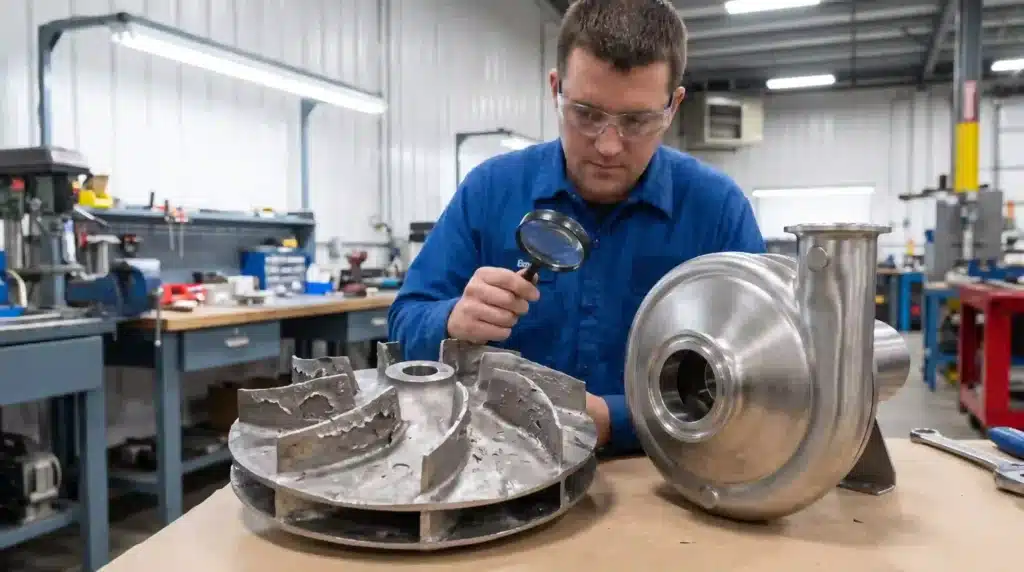
These vacuums instantly form pressure bubbles that collapse violently, a mechanical issue known as pump cavitation. Cavitation pits metal parts, destroys pump seals, and causes filling nozzles to sputter. The final result is bottles filled with incorrect volumes and high rejection rates.
The Material Solution
Because our Bovine Collagen Type I & III is reduced to micro-peptides, it loses the capacity to absorb massive amounts of water. You can mix 20 grams of our powder into a 330ml bottle of water, and the viscosity of the liquid remains almost unchanged.
It remains thin and fluid. Transfer pumps operate without creating destructive vacuums, and filling machines inject the exact milliliter dose into every bottle cleanly, maximizing finished product yield.
| Dosage in 330ml Water | Standard Bovine Protein Viscosity | Engineered Collagen Viscosity | Pump Flow Behavior |
|---|---|---|---|
| 0g (Pure Water) | ~1.0 cP | ~1.0 cP | Baseline ideal flow |
| 5g Protein | ~15.0 cP | ~1.2 cP | Smooth transfer |
| 10g Protein | ~45.0 cP (Noticeably thicker) | ~1.5 cP | Smooth transfer |
| 20g Protein | > 100.0 cP (Syrup-like) | ~2.1 cP | Eliminates cavitation risk |
The Clarity Barrier: Preventing Acidic Precipitation
If a standard protein passes through the pasteurizer and the pumps, it frequently fails inside the sealed bottle.
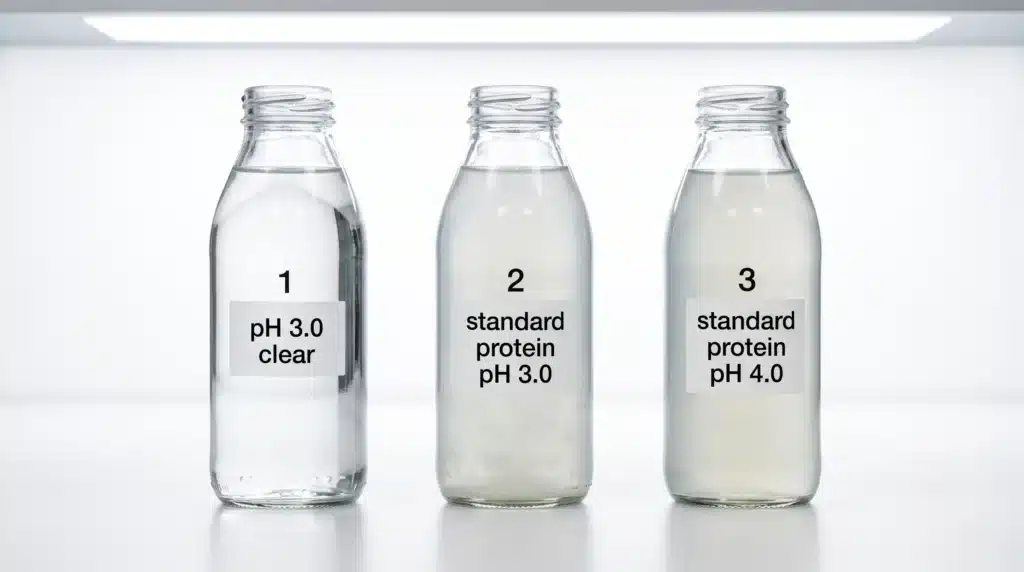
Modern clear collagen waters feature fruit flavors like citrus or berry. To make these flavors authentic and prevent bacterial growth, formulators add citric or malic acid, dropping the beverage to a highly acidic pH (typically 3.0 to 3.6).
Every protein has a specific trigger point, called an isoelectric point. When an acidic beverage hits the trigger point of a standard bovine protein, the molecules lose their electrical charge. They stop repelling each other and instantly clump together.
The consumer picks up a clear bottle expecting a pristine drink, but instead sees a hazy liquid with white sludge at the bottom. This leads to refunds and retailer chargebacks.
The Material Solution
Our highly hydrolyzed micro-peptides naturally bypass this isoelectric trigger point. You can drop your beverage base to an acidic pH of 3.0, and the powder will remain fully dissolved without forming clumps.
To achieve perfect optical clarity, we process our raw materials through a multi-stage microfiltration system. Fine membranes filter out uncut macromolecules and residual lipids. By removing these impurities, the dissolved liquid becomes completely transparent. In the beverage industry, clarity is measured in NTU (Nephelometric Turbidity Units). Utilizing this material ensures the liquid measures under 5 NTU, presenting a flawless appearance on the retail shelf.
| Beverage pH Level | Standard Bovine Protein Turbidity | Engineered Collagen Turbidity | Visual Result to Consumer |
|---|---|---|---|
| pH 7.0 (Neutral) | ~30 NTU (Hazy) | < 2.0 NTU | Crystal clear |
| pH 4.0 (Mild Acid) | ~150 NTU (Opaque) | < 3.0 NTU | Crystal clear |
| pH 3.0 (High Acid) | > 300 NTU (Solid Precipitation) | < 5.0 NTU | Crystal clear, zero sediment |
The Taste Barrier: Achieving Organoleptic Purity
Collagen is extracted from animal tissues. If the material is not deeply cleaned during extraction, it retains chemical compounds known as volatile amines. These compounds generate an odor resembling wet earth or cheap beef broth.
If a factory purchases this collagen powder wholesale, the formulation team must hide the taste. They are forced to add heavy artificial flavors, synthetic masking agents, and excessive sweeteners. This increases recipe costs and destroys the clean label that consumers demand.
The Material Solution
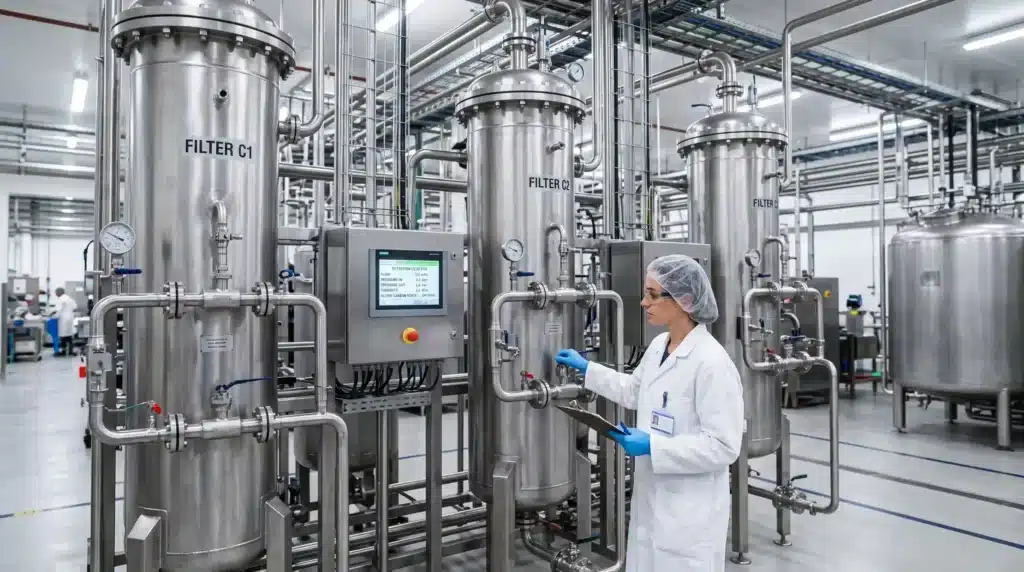
The most efficient way to mask a bad flavor is to remove it before it reaches the factory. During our manufacturing process, while the protein is in a liquid state, we pump it through massive activated carbon filtration columns. The activated carbon strips away all the volatile amines that cause bad odors.
The final powder is 100% neutral in taste and odor. Formulation teams start with a blank canvas. On this neutral base, they only need to add a small amount of premium natural fruit extracts, avoiding synthetic chemicals entirely.
Securing Your Supply Chain for Continuous Production
Understanding the mechanics of heat, viscosity, and acidity proves that selecting the right raw material dictates the success of a beverage run. The initial savings from buying unrefined proteins are rapidly erased by equipment repairs and clogged pipes.
To ensure efficient factory handling, we package this highly soluble powder in 20kg industrial moisture-barrier bags. The moisture barrier ensures that if the bags sit in a humid beverage facility, the powder remains dry and free-flowing without clumping into solid blocks. They stack securely on standard pallets.
To eliminate the risk of international shipping delays halting your production schedule, we maintain inventory inside our North American warehousing centers. When a facility needs to ramp up production, we execute local delivery.
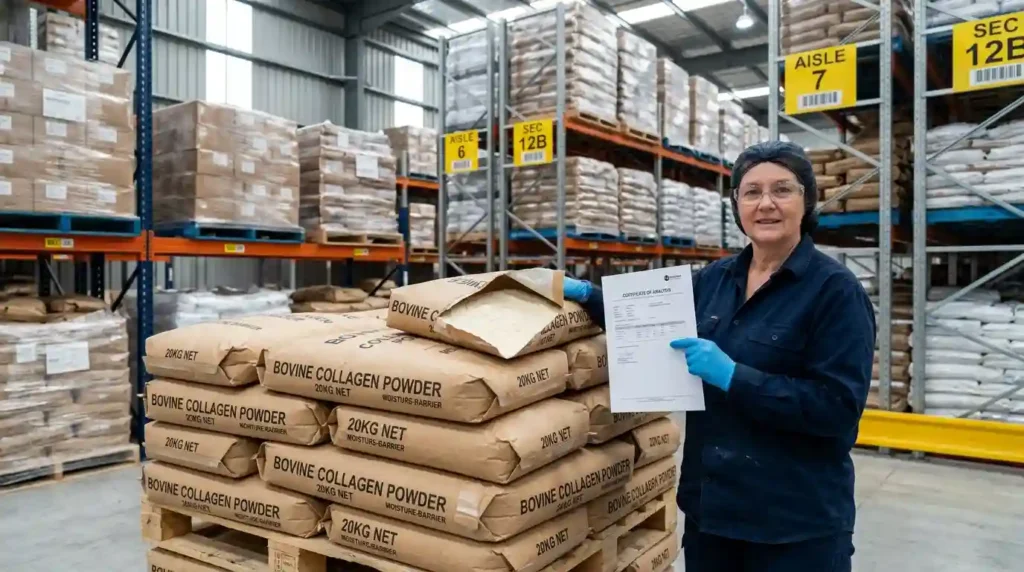
Every delivery includes a Certificate of Analysis (COA) from an accredited third-party laboratory, proving the batch meets strict safety standards for heavy metals and microbiological counts. Quality assurance teams can file this paperwork and clear the raw material for production immediately.
Testing a raw material on your own equipment is the fastest way to verify its performance. We supply 100g benchtop samples directly to facility laboratories. Your engineers can run it through a pilot UHT pasteurizer, or drop the pH to 3.0 and observe the results. Watching the liquid flow smoothly across heating plates and remain crystal clear in an acidic environment is the definitive proof required for industrial formulation.