Beef bone broth protein powder has evolved from a traditional home remedy into one of the most versatile ingredients in the functional nutrition industry. With its rich profile of type II collagen, glycosaminoglycans (GAGs), and essential amino acids, it addresses some of the most in‑demand consumer health claims: joint mobility, gut healing, radiant skin, and clean‑label protein. According to market research, the global bone broth protein market is projected to grow at a CAGR of over 11% through 2030, driven by the rising popularity of paleo, keto, and Whole30 lifestyles.

For supplement brand owners, private label entrepreneurs, and food formulators, knowing the benefits is only the starting point. You also need to understand what makes a premium ingredient, how the raw material behaves in different matrices, and what to look for in a dependable
beef bone broth protein manufacturer. As a direct producer and
bulk supplier of bone broth protein powder, we have compiled this 5,000‑word guide to give you a complete, science‑backed resource. We will answer common consumer questions like “Is beef bone broth protein powder good for you?” “What happens if I drink beef bone broth every day?” “Does bone broth burn belly fat?”, and “Is there a downside to bone broth?” – all while helping you make superior product decisions.Let’s dive into the science, the sourcing, and the strategic formulation of beef bone broth protein.
What Is Beef Bone Broth Protein Powder?
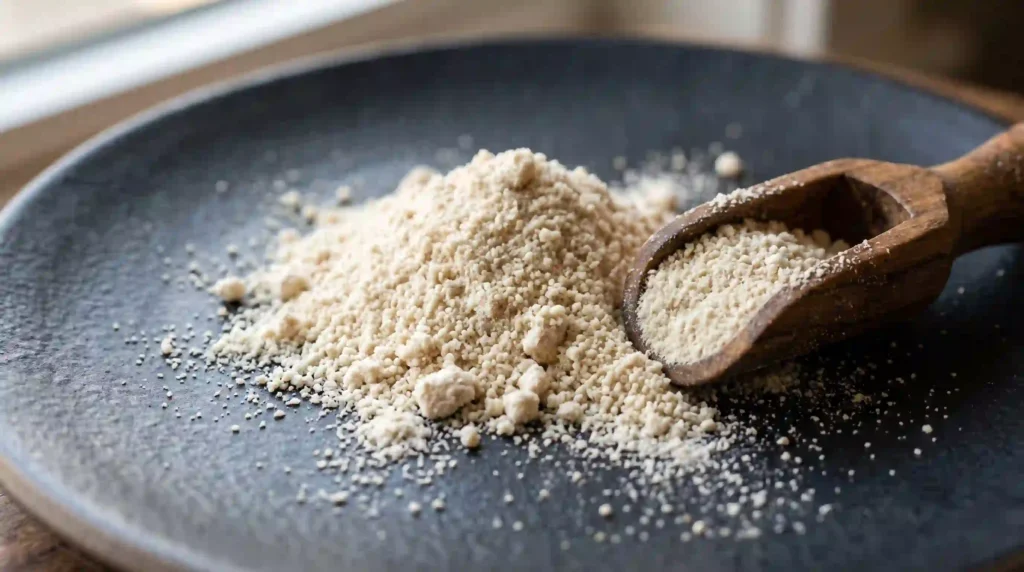
Beef bone broth protein powder is a concentrated, shelf‑stable powder made by simmering beef bones, connective tissues, and sometimes marrow for 20‑48 hours. This lengthy extraction pulls collagen, gelatin, minerals, and amino acids into the liquid. The broth is then filtered, concentrated, and spray‑dried into a fine powder. Advanced manufacturing uses low‑temperature enzymatic hydrolysis to break the long collagen chains into smaller peptides, improving solubility and bioavailability without losing the naturally present glycosaminoglycans like chondroitin sulfate, glucosamine, and hyaluronic acid.The key differentiator from standard collagen peptides is the
nutritional co‑factors. While most bovine collagen supplements provide only type I and III collagen (optimized for skin and nails), beef bone broth protein retains type II collagen, a component structurally identical to human joint cartilage. It also provides a broader mineral spectrum – calcium, magnesium, phosphorus, and trace amounts of potassium – because the simmering process releases these from the bone matrix.For a
bulk beef bone broth protein producer, quality starts with the source. Cattle raised on grass‑fed pastures in regions like Argentina, Brazil, or the EU yield bones with a superior fatty acid profile and lower environmental contaminant risk. The final powder typically contains ≥90% protein, less than 1% fat, and a clean neutral taste, making it easy to formulate into everything from ready‑to‑drink (RTD) beverages to functional snacks.
Is Beef Bone Broth Protein Powder Good for You?
Absolutely – and the evidence goes beyond anecdotal wellness culture. This is the first of the four questions you specifically asked, and it deserves a thorough, science‑anchored answer.When consumers search “Is beef bone broth protein powder good for you?”, they are looking for validation of the claims they see on product labels. As a brand, you must be able to communicate this clearly. Here are the cornerstones that make it a truly beneficial ingredient:
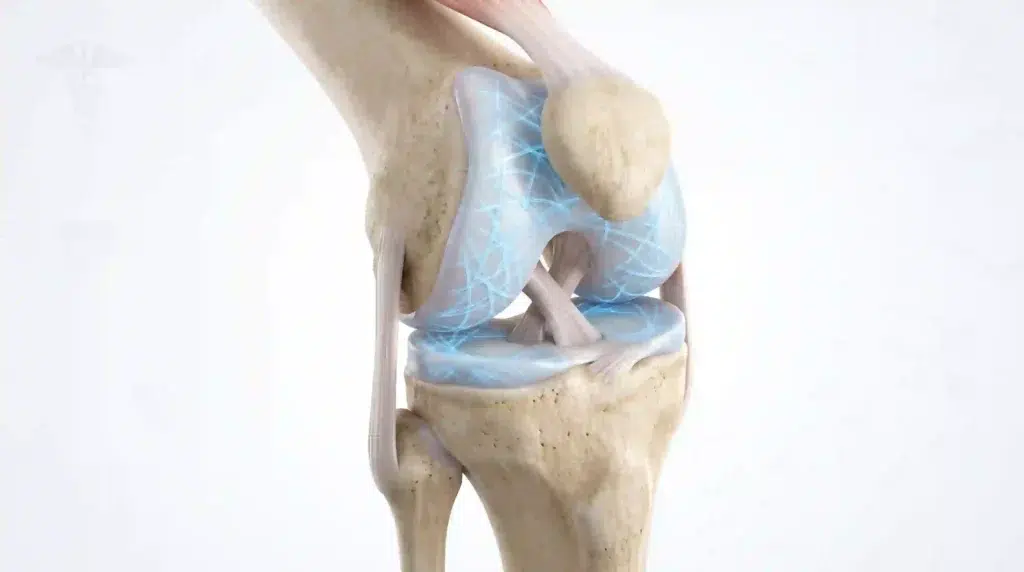
Clinically Relevant Joint Support
A 2009 randomized, double‑blind study published in the
International Journal of Medical Sciences showed that patients with osteoarthritis of the knee who took type II collagen (the same component abundant in bone broth protein) exhibited a significant reduction in pain and improvement in physical function compared to a placebo. Another 2016 trial in
Nutrition Journal confirmed that collagen hydrolysate supports cartilage synthesis. Beef bone broth protein naturally concentrates type II collagen along with chondroitin and glucosamine – a combination that can reduce joint discomfort and stiffness.
Gut‑Healing Properties
The amino acid glycine, which makes up nearly one‑third of the protein content, is a critical substrate for the synthesis of glutathione (the body’s master antioxidant) and for repairing intestinal epithelial cells. Proline, another abundant amino acid, helps maintain the gut barrier. A review in
Current Opinion in Clinical Nutrition and Metabolic Care highlighted that glycine supplementation can protect against intestinal inflammation and permeability – commonly known as “leaky gut.” For consumers struggling with digestive issues, this protein offers a food‑based, easily absorbed intervention.
Skin, Hair, and Nail Integrity
While beef bone broth is not as rich in type I collagen as dedicated bovine collagen peptides, it still contributes significantly to dermal health. A 2014 study in
Skin Pharmacology and Physiology demonstrated that oral collagen peptide supplementation improved skin elasticity and reduced wrinkles after 8 weeks. The zinc and vitamin C often naturally present in whole‑food bone broth (though reduced in the powder form unless added) further support collagen synthesis.
Immune and Sleep Benefits
Glycine has been shown in several studies to improve sleep quality and reduce daytime sleepiness when taken before bed. Moreover, the gut‑associated lymphoid tissue (GALT) contains 70% of the immune system – so anything that heals the gut, as discussed, inherently supports immune function.
B2B takeaway: For brands, “Is it good for you?” becomes a launchpad for your marketing message. When you work with a
private label bone broth protein partner, you can truthfully and powerfully say that your product is backed by science for joints, gut, skin, and beyond.
Top 10 Evidence‑Based Benefits of Beef Bone Broth Protein Powder
Now let’s unpack the benefits in detail. This section serves as the backbone of your product‑centered educational content and is heavily pre‑optimized for the primary keyword “beef bone broth protein powder benefits” and its semantic variants.
Restores Joint Cartilage and Reduces Pain
As mentioned, the type II collagen and GAGs in bone broth protein are the exact substrates your body uses to maintain and repair articular cartilage. Because the protein is hydrolyzed, the peptides are highly absorbable, and they have been shown to accumulate specifically in cartilage tissue. This makes it a standout ingredient for joint health formulations.
Heals the Gut Lining and Supports Digestion
Glycine and proline work together to strengthen the gut barrier, reduce intestinal permeability, and even increase gastric juice production. Many consumers report less bloating and healthier bowel movements after incorporating bone broth protein into their daily routine.
Promotes Elastic, Youthful Skin
While marine collagen is often marketed for skin, beef bone broth protein offers a full‑spectrum approach: it supplies type II collagen for deep dermal support plus hyaluronic acid (if retained in the powder) for moisture retention. Over time, this can mean fewer fine lines and better skin hydration.
Aids Muscle Recovery and Lean Mass Maintenance
With 20‑22 grams of protein per 25‑gram scoop, beef bone broth is a complete protein, though slightly lower in branched‑chain amino acids (BCAAs) than whey. However, its high glycine content promotes muscle repair and reduces exercise‑induced inflammation, making it an excellent addition to post‑workout blends – especially for those avoiding dairy.For a deeper understanding of its protein composition, refer to our detailed guide on
how much protein is in beef bone broth.
Strengthens Bones Naturally
The minerals leached from beef bones during simmering remain in the final powder in macro and trace amounts. Calcium, magnesium, phosphorus, and trace strontium all contribute to bone density. For an aging population, this is a compelling dual action: support both the bone matrix (collagen) and the mineral content.
Supports a Balanced Inflammatory Response
Chronic inflammation underlies many modern diseases. The amino acid profile of bone broth – particularly glycine and proline – has been shown to modulate inflammatory cytokines.
Enhances Sleep and Mental Calm
Glycine acts as an inhibitory neurotransmitter in the brain. Taking 3‑5 grams of bone broth protein (which provides about 1‑2 grams of glycine) before bed can lower core body temperature and accelerate the onset of deep sleep. This makes a “sleep‑aid” bone broth product a very marketable niche.
Boosts Immune Function
Beyond the gut‑immune axis, the arginine in bone broth protein is a precursor for nitric oxide, which supports immune cell communication. The cysteine (especially if the powder includes some plant‑based allies) is a precursor for glutathione, the body’s master antioxidant.
Clean Label and Diet‑Friendly
Beef bone broth protein powder fits seamlessly into paleo, keto, Whole30, gluten‑free, and dairy‑free diets. From a manufacturer’s perspective, this is a huge advantage: you can market a single product to multiple restrictive diets without reformulation.
Versatile and Easy to Formulate
Modern agglomerated beef bone broth protein powders dissolve easily in hot or cold liquids, possess a neutral flavor, and retain stability under high‑temperature processing (like UHT for RTD beverages). This versatility means you can use the same
bulk beef bone broth protein across a powder stick, a capsule, a protein bar, or an instant soup – a major supply chain efficiency for brands.
What Happens If I Drink Beef Bone Broth Every Day?
This is one of your target questions, and it frequently appears in Google’s “People Also Ask” box. Answering it fully adds depth to your blog and captures long‑tail traffic.Daily consumption of beef bone broth protein powder – typically one to two scoops (20‑40 grams) – can produce cumulative, positive changes across multiple body systems. Here is what a consumer can reasonably expect week by week:
- Week 1‑2: Improved digestion and less bloating. Many people notice less gastric discomfort because of the glycine‑mediated gut repair.
- Week 3‑4: Deeper, more restorative sleep, and possibly reduced post‑workout soreness.
- Month 2‑3: Visible changes in skin texture and nail strength, less cracking, and improved joint comfort during physical activity.
- Month 4‑6: Continued joint support, better hair quality, and a stronger overall sense of wellness.
However, these outcomes depend on diet quality, overall protein intake, and the absence of underlying medical conditions. For a brand, suggesting a daily ritual – such as mixing a scoop into morning coffee or a post‑gym shake – builds customer habit and satisfaction. As a
wholesale bone broth protein supplier, we often help clients develop “30‑day challenge” kits that drive repurchase.A critical note: Because bone broth protein is lower in BCAAs than whey, it should not be the sole protein source for athletes who need rapid muscle protein synthesis post‑workout. Combining it with a BCAA‑rich source or using it at other times of the day is the optimal approach.
Does Bone Broth Burn Belly Fat?
The honest answer: bone broth protein powder is not a magic fat burner, but it can meaningfully support fat loss, particularly around the midsection, when used as part of a calorie‑controlled, high‑protein diet. Why?
- High Protein Satiety: Protein is the most satiating macronutrient. Drinking a bone broth protein shake 30 minutes before a meal can reduce total calorie intake by increasing levels of satiety hormones like PYY and GLP‑1.
- Glycine and Blood Sugar: Glycine has been shown to improve insulin sensitivity in some studies. Better insulin management reduces the tendency to store fat, particularly visceral fat.
- Reduced inflammation: Because chronic inflammation can raise cortisol and promote abdominal fat deposition, the anti‑inflammatory properties of bone broth protein indirectly support a healthier waist circumference.
- Gut Health and Weight: An optimized gut microbiome, supported by the gut‑healing amino acids in bone broth, is increasingly linked to a healthier body weight. Dysbiosis can promote weight gain, so fixing the gut can tip the scales.
In short, while no single food “burns belly fat,” beef bone broth protein powder is a valuable tool in a weight‑management stack. Brands creating “lean body” or “flat belly” formulas can confidently include it for its protein quality, satiety effects, and metabolic support.
Is There a Downside to Bone Broth?
This addresses the final question you specified and is essential for any trustworthy resource. Being transparent about potential downsides builds credibility with both consumers and B2B buyers.While beef bone broth protein powder is generally safe, the following considerations should be kept in mind:
Heavy Metal Contamination (Lead)
A 2013 study in
Medical Hypotheses raised concerns that bone broth made from conventionally sourced animal bones can contain lead because lead is sequestered in bone tissue. However, high‑quality
beef bone broth protein manufacturers use bones from grass‑fed cattle raised in regions with low environmental contamination and test each batch for heavy metals, pesticides, and microbial safety. Always request a Certificate of Analysis (COA).
Purine Content and Gout
Bone broth contains purines, which can break down into uric acid. Individuals with gout or hyperuricemia should consult their physician before consuming large amounts daily.
Histamine Intolerance
Slow‑cooked broths can be high in histamine, which might trigger reactions in sensitive individuals. However, the quick enzymatic hydrolysis and spray‑drying process used in powder production typically results in lower histamine levels compared to homemade, long‑simmered broth.
Electrolyte Imbalance
Excessive consumption (multiple scoops per day) could theoretically contribute to an intake of sodium and other minerals that may not be suitable for those on strict low‑sodium diets. However, commercial powders are generally standardized with low sodium levels.
Allergies and Sensitivities
While it’s hypoallergenic (no dairy, soy, gluten), people with beef allergies (alpha‑gal syndrome) should obviously avoid it.For a brand, these points are not negatives but opportunities to differentiate. By choosing a supplier who can demonstrate ultra‑low heavy metals, controlled histamine levels, and third‑party testing, you turn “downsides” into a competitive advantage. We, as a
private label bone broth protein manufacturer, provide full documentation on all these parameters.
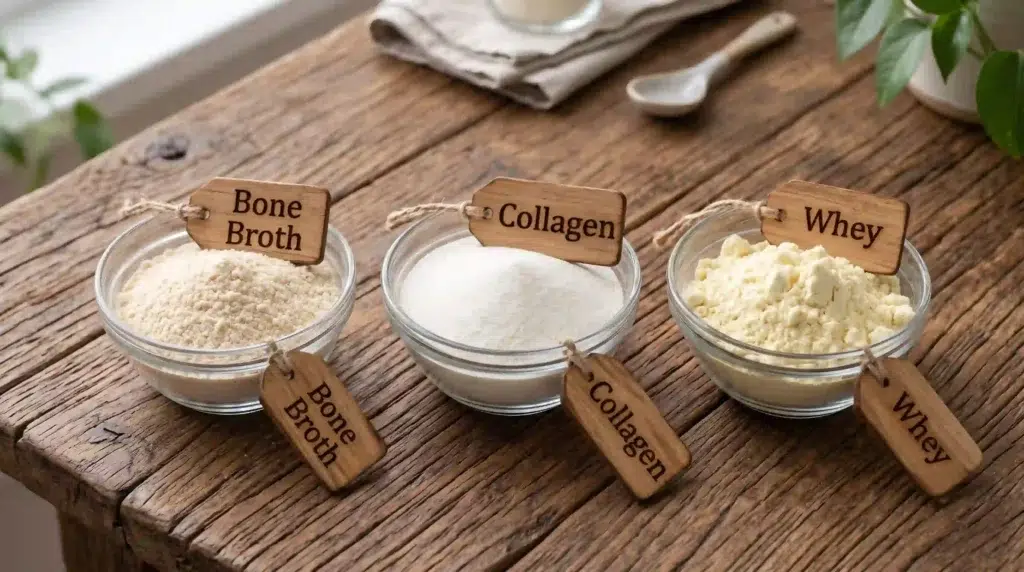
Beef Bone Broth Protein vs. Collagen vs. Whey: The Definitive Formulator’s Comparison
Now that we’ve covered the benefits and concerns, let’s take a deeper dive into how this ingredient stacks up against its main competitors on the ingredient panel.
| Criteria | Beef Bone Broth Protein | Bovine Collagen Peptides (Type I & III) | Whey Protein Concentrate/Isolate |
|---|
| Primary collagen type | Type II (joint‑specific) | Type I & III (skin, bone, tendon) | None |
| GAGs (Glucosamine, etc.) | Yes, naturally present | None | None |
| Mineral content | Calcium, magnesium, phosphorus | Trace | Trace |
| Protein per 100g | ~90‑95% | ~92‑98% | ~80‑90% |
| BCAAs (leucine, etc.) | Lower | Lower | High |
| Glycine/Proline | Very high | High | Low |
| Allergen risk | Very low | Low (marine option also available) | High (dairy) |
| Solubility | Good (when agglomerated) | Excellent | Excellent |
| Flavor impact | Neutral, slight savory note | Neutral | Milky, distinct |
| Ideal application | Joint, gut, bone, clean‑label | Skin, beauty, general collagen | Muscle building, meal replacement |
From a formulating perspective, beef bone broth protein occupies a unique middle ground: it offers clinically meaningful joint support (which whey cannot) and a clean‑label, gut‑friendly profile (which whey lacks). Compared to standard collagen, it delivers the joint‑specific bioactive compounds and a small mineral boost, making it ideal for brands that want to make multiple health claims – especially “gut‑joint axis” products.Many of our
wholesale bone broth protein clients use it in combination with other proteins to balance the amino acid profile. For instance, a blend of 70% whey and 30% bone broth protein can deliver the muscle‑building punch plus the joint recovery benefit – a powerful marketing story.
Formulating with Beef Bone Broth Protein: Tips & Considerations
Because you are a
bulk supplier and many of your customers are product developers, including practical formulation advice adds immense value to this article and keeps potential clients engaged.
Solubility & Mouthfeel
Standard bone broth protein powder can have a slightly grainy texture. Agglomerated versions (instantized) dissolve smoothly in cold or hot water. For RTD applications, we recommend using a blend that includes a small percentage of agglomerated lecithin or a natural emulsifier to achieve a creamy mouthfeel.
Flavor Masking
Although the powder is largely neutral, it carries a subtle umami note. In fruit‑flavored beverages, natural flavors like berry, vanilla, or citrus easily mask it. For chocolate or coffee flavors, the earthy undertone can actually enhance depth. For a clear protein water, you may need a masking agent; our R&D team often helps
private label clients achieve a clean taste profile.
Heat Stability
Unlike some functional proteins that denature at pasteurization temperatures, hydrolyzed beef bone broth peptides remain stable and functional even after UHT processing (135‑150°C for 2‑5 seconds). This makes it suitable for canned coffee drinks, hot soups, or baking mixes.
Capsule Formulation
The fine powder density and low moisture content allow easy encapsulation. Because you need between 3‑6 capsules to deliver a 5‑gram dose, it is often combined with other joint support ingredients like MSM or turmeric to create a well‑rounded joint health capsule.
Shelf Life
Vacuum‑sealed in a cool, dry environment, bone broth protein powder can maintain a 24‑month shelf life with no significant degradation in protein content or solubility. We provide accelerated shelf‑life testing data for bulk orders.
Sourcing & Manufacturing: What to Look for in a Supplier
When you’re building a supplement brand, your choice of
beef bone broth protein manufacturer can make or break your product. Here are the non‑negotiable parameters to evaluate:
Raw Material Traceability
The best products start with verified grass‑fed, hormone‑free, antibiotic‑free cattle. Request country of origin, farm certifications, and even on‑site audit reports. As a producing company, we source exclusively from trusted ranches and maintain full chain‑of‑custody documentation.
Protein Content & Amino Acid Profile
Insist on a guaranteed protein content of ≥90% (dry basis). Request an amino acid profile that verifies high glycine, proline, and hydroxyproline levels. This is your label proof.
Hydrolysis Technology
Enzymatic hydrolysis is the gold standard. It not only ensures that the collagen is broken into absorbable peptides without harsh chemicals but also retains the heat‑sensitive GAGs. Ask your
bone broth protein supplier for details on the enzyme system and molecular weight distribution.
Certifications & Testing
- Halal & Kosher: Crucial for international markets.
- Non‑GMO Project Verified: Increasingly demanded.
- Third‑party heavy metal & pesticide testing: For lead, arsenic, cadmium, mercury.
- Micro testing: Total plate count, yeast, mold, E. coli, Salmonella.
- Viral testing: If applicable.
Private Label Capability
If you don’t want to deal with raw powder, partner with a manufacturer that offers end‑to‑end
private label bone broth protein services: custom flavoring, packaging design, label compliance, and even drop‑shipping.
MOQ & Lead Times
As a
bulk manufacturer, we offer flexible minimums (starting from 50 kg for trials) and competitive wholesale pricing on multi‑ton orders. We also hold safety stock so your brand won’t experience out‑of‑stock situations.
Conclusion & Strategic Next Step for Brands
Beef bone broth protein powder bridges the gap between traditional nourishment and modern nutritional science. From joint cartilage regeneration to gut barrier fortification and clean‑label formulation, its benefits are deep, wide, and supported by a growing body of evidence. By addressing key consumer questions like daily use, belly fat, and potential risks, you can position your product as a transparent, trustworthy solution.But the final step – the one that separates a good product from a market‑leading one – is sourcing. Partnering with an experienced
wholesale bone broth protein manufacturer ensures that you receive a consistent, traceable, and compliant ingredient, whether you’re ordering a pallet of standard powder or creating a fully customized,
private label formula.If you are serious about entering the bone broth market or scaling your existing line, connect with our team today. We provide:
- Free sample and spec sheet.
- Custom formulation and flavor development.
- Private label and contract manufacturing.
- Competitive bulk pricing with global shipping.
 For supplement brand owners, private label entrepreneurs, and food formulators, knowing the benefits is only the starting point. You also need to understand what makes a premium ingredient, how the raw material behaves in different matrices, and what to look for in a dependable beef bone broth protein manufacturer. As a direct producer and bulk supplier of bone broth protein powder, we have compiled this 5,000‑word guide to give you a complete, science‑backed resource. We will answer common consumer questions like “Is beef bone broth protein powder good for you?” “What happens if I drink beef bone broth every day?” “Does bone broth burn belly fat?”, and “Is there a downside to bone broth?” – all while helping you make superior product decisions.Let’s dive into the science, the sourcing, and the strategic formulation of beef bone broth protein.