Why Sea Cucumber Peptide Energy Pills Are Gaining Traction in Sports Nutrition
If you are formulating energy pills with sea cucumber peptides, here is what you need to know upfront: they do not work like caffeine. They do not deliver a quick jolt, and they do not cause a crash afterward. Instead, sea cucumber peptide energy pills support energy production through AMPK activation, mitochondrial enhancement, and oxidative stress reduction—pathways that actually improve how the body utilises fuel. That is the real value, and that is why more supplement brands are looking closely at this marine ingredient.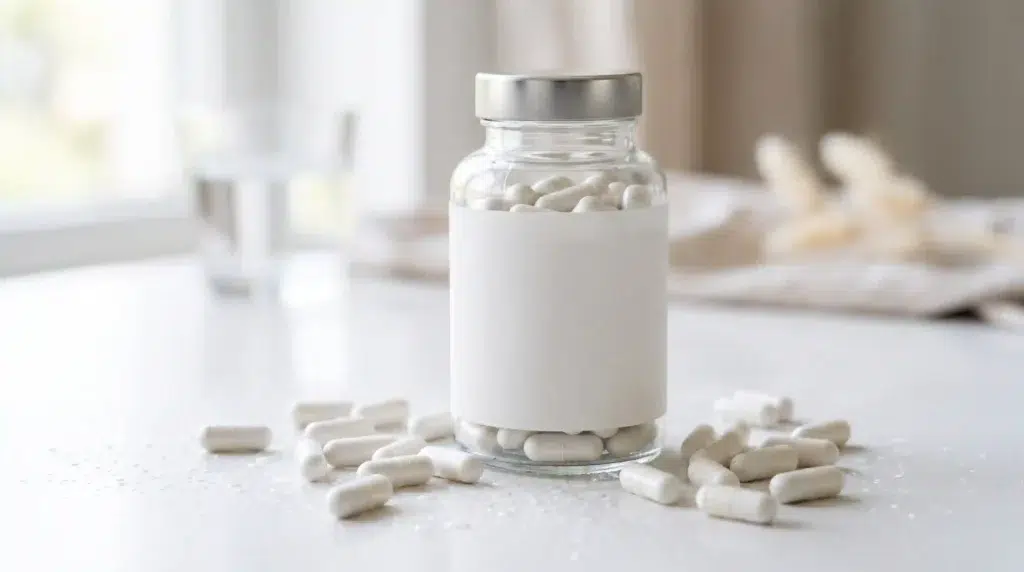
I have spent years working with marine bioactive ingredients, and sea cucumber peptides are one of the few that deliver on both traditional use and modern science. But the details matter: sourcing, hydrolysis degree, molecular weight, and formulation all determine whether your sea cucumber peptide energy pills actually perform. Let me walk through what I have learned—from raw material to finished tablet—so you can make informed decisions for your product line.
The Core Question: Why Put Sea Cucumber Peptides in an Energy Pill?
The short answer: fatigue is not just about running out of fuel—it is about metabolic inefficiency, oxidative damage, and poor recovery. Sea cucumber peptides address all three.
Traditional use in East Asia treated sea cucumber as a tonic for vitality and stamina. That was not superstition; it was empirical observation. Today, we know that the collagen-rich body wall, when broken down into small peptides, releases sequences that interact with human metabolic pathways in ways that whole protein cannot.
What makes sea cucumber peptide energy pills different from ordinary protein supplements is the specific bioactivity of the fragments. For example, peptide sequences like DCDPRL and PGHPF have been shown to scavenge free radicals directly, while others activate AMPK, the cellular energy sensor. When AMPK is activated, the body shifts toward fatty acid oxidation and glucose uptake, increasing ATP production without the need for exogenous stimulants.
So, if you are targeting athletes, active aging consumers, or anyone who needs sustained physical performance, sea cucumber peptide energy pills deserve a serious look. They are not a one-size-fits-all solution, but when formulated correctly, they deliver measurable results.
The Biochemistry You Actually Need to Know
Let us skip the textbook jargon and get to what matters for your product.
What Are These Peptides, Chemically?
Sea cucumber peptides are short chains of amino acids—typically 2 to 20 residues—produced by enzymatic hydrolysis of the animal’s collagen. The original protein is huge (over 100 kDa), but after hydrolysis, most fragments fall below 1,000 Daltons. That small size is critical because it allows absorption through the intestinal wall in di- and tripeptide form, bypassing competition for free amino acid transporters.
The amino acid composition is distinctive: glycine, proline, and hydroxyproline dominate, but there is also a meaningful proportion of branched-chain amino acids (leucine, isoleucine, valine) when hydrolysis is extensive. Those BCAAs are directly involved in muscle metabolism and delaying central fatigue.
The Two Pathways That Matter Most
I have seen too many product descriptions focus on “antioxidant” alone, but that is only half the story. For sea cucumber peptide energy pills, the real stars are:
The AMPK-PGC-1α Axis – This is the master switch for energy metabolism. When peptides activate AMPK, the cell increases mitochondrial biogenesis and fatty acid oxidation. In practical terms, that means longer endurance and better fat utilisation during exercise. Animal studies consistently show that sea cucumber peptides extend exhaustive swimming time and increase muscle glycogen storage, which is exactly what you want in an energy product.
The NRF2-ARE Pathway – This controls the cell’s intrinsic antioxidant defence. Exercise generates reactive oxygen species, which contribute to fatigue. By upregulating NRF2, sea cucumber peptides help the body handle oxidative stress without needing high doses of external antioxidants like vitamin C or E. That is a cleaner, more physiological approach.
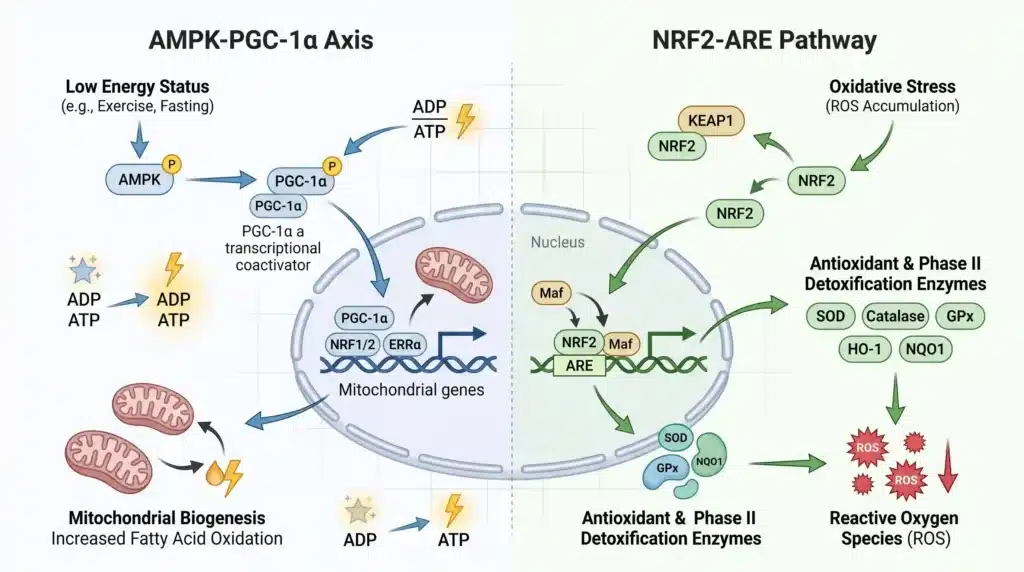
Both pathways work in parallel. One study found that high‑hydrolysis sea cucumber peptides (with more than 20% degree of hydrolysis) reduced blood lactate and urea nitrogen while increasing liver glycogen—clear indicators of improved energy metabolism. The lower‑hydrolysis version had weaker effects, which tells you that processing matters enormously.
Why Molecular Weight Is Non‑Negotiable
In my experience, the single biggest mistake buyers make is accepting peptides with a broad molecular weight distribution. If more than 30% of the material is above 1,000 Da, the bioavailability drops sharply. The active sequences are mostly in the 200–800 Da range. Always ask for the SEC‑HPLC chromatogram; a good supplier will provide it without hesitation.
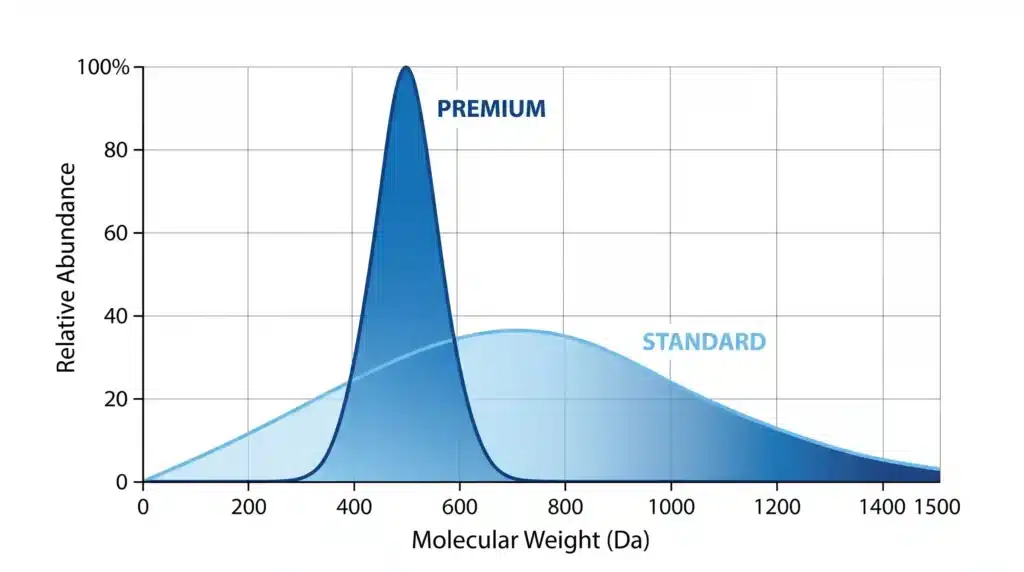
Suppliers like Atnutra, for instance, use secondary precise biocleavage to transform long-chain marine proteins into refined sea cucumber peptides with a molecular weight mapping significantly below 1,000 Daltons—well within the range that ensures rapid mucosal uptake and immediate bioavailability. This level of precision is exactly what you should expect from any supplier of ingredients for sea cucumber peptide energy pills.
From Sea Cucumber to Powder: The Production Reality
Knowing the science is one thing; getting a consistent, high‑quality ingredient is another. Here is what happens in a well‑run facility.
Raw Material Sourcing
Most sea cucumber peptide production occurs in China, where species such as Apostichopus japonicus are farmed or wild‑caught. Annual output exceeds 200,000 tons, so supply is not an issue—but quality varies widely. Some suppliers use dried body wall, others use fresh, and some even include viscera to cut costs. For sea cucumber peptide energy pills, I recommend insisting on body‑wall‑only material, because the viscera contain enzymes and lipids that can affect stability and taste.
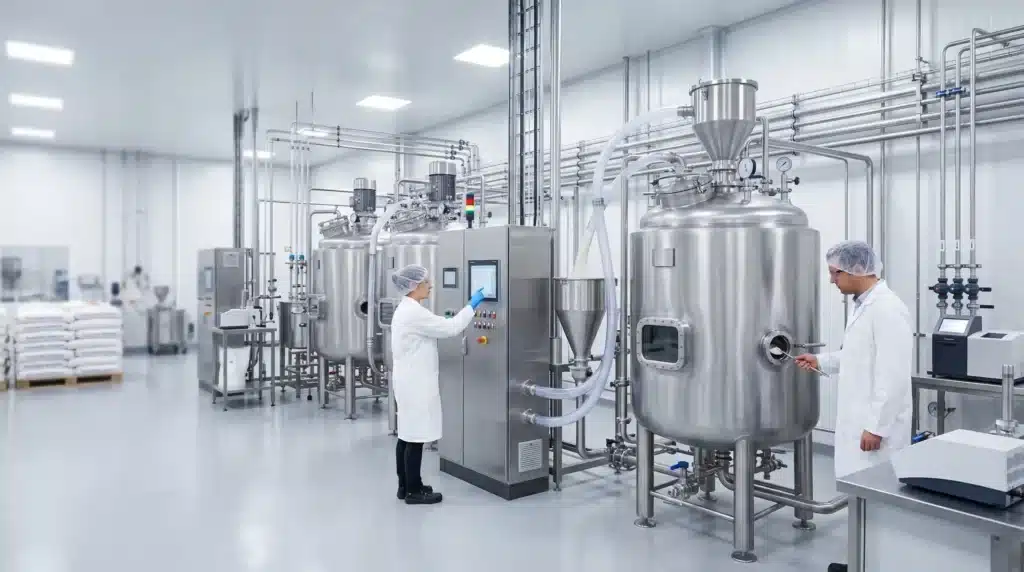
Suppliers who prioritise quality offer full traceability from harvest to finished product. This is not just a nice-to-have; it is essential when you are scaling production of sea cucumber peptide energy pills for international markets.
The Hydrolysis Process
A typical enzymatic hydrolysis runs as follows:
- The cleaned body wall is ground and mixed with water (ratio about 1:4).
- Neutral protease or papain is added at around 65°C, pH 7.0, for 3–5 hours.
- The reaction is stopped by heating, then the slurry is filtered.
- Ultrafiltration through a 10,000 Da membrane removes polysaccharides and larger fragments.
- The permeate is concentrated and spray‑dried to a fine powder.
The yield from this process is roughly 45% peptide on a dry‑weight basis. One optimized protocol using neutral protease achieved a polypeptide yield of 303.0 mg per gram of raw material, with small peptides (<1,000 Da) reaching 775.40 mg per gram—significantly higher than non-enzymatic hydrolysis. Some advanced producers use two‑stage enzymatic hydrolysis (e.g., alkaline protease followed by flavourzyme) to achieve a degree of hydrolysis above 25%, which consistently produces more potent anti‑fatigue activity.
Unlike industrial acid extraction, which destroys delicate marine fractions, advanced low-temperature enzymatic processing safeguards natural sulfated glycosaminoglycans and active saponins. This makes the resulting bulk sea cucumber peptides highly active in modulating cellular recovery pathways—a critical advantage for formulators of sea cucumber peptide energy pills who need consistent bioactivity batch after batch.
What to Look for in a Certificate of Analysis
When I evaluate a new supplier, I check these parameters first:
| Parameter | Acceptable Range | Why It Matters |
|---|---|---|
| Peptide content (by Kjeldahl) | ≥ 80% | Ensures you are getting active material, not fillers |
| Molecular weight < 1000 Da | ≥ 70% | Directly correlates with absorption and efficacy |
| Degree of hydrolysis | ≥ 20% | Higher DH yields more BCAAs and smaller fragments |
| Moisture | ≤ 7% | Prevents caking and microbial growth |
| Ash | ≤ 2% | Indicates mineral contamination, often from shell |
| Heavy metals (Pb, As, Hg, Cd) | Within regulatory limits | Non‑negotiable for safety |
If a supplier cannot provide these data for every batch, walk away. I have seen too many lots fail stability testing because of hidden moisture or high heavy metals.
For reference, here is what a premium product specification looks like. A top-tier sea cucumber peptide powder should deliver protein content ≥90% (Kjeldahl method), total nitrogen ≥15.0%, total ash ≤2.0%, and loss on drying ≤10.0%. Heavy metals should be rigorously controlled: lead <1.0 PPM, arsenic <1.0 PPM, cadmium and mercury below 0.1 PPM. Microbiological counts should be well within limits, with total bacteria under 1,000 CFU/g, yeast and mould under 100 CFU/g, and E. coli and Salmonella negative. These are the kind of numbers that give you confidence when you are producing sea cucumber peptide energy pills for discerning consumers.
Formulating Sea Cucumber Peptide Energy Pills That Actually Work
Now we get to the practical part—putting it all together into a finished product.
Dosage: What Is Effective?
Based on rodent studies (which are the best we have for dose‑response), the effective range is around 200–400 mg per kg of body weight. Scaling to humans using allometric conversion gives roughly 1.5–3 grams per day for a 70‑kg adult. However, most commercial sea cucumber peptide energy pills use 500–1,000 mg per serving, often combined with other ingredients. My recommendation is to start at 1,000 mg per daily dose and conduct your own consumer trials to see if that is sufficient for your target audience.
For chewable tablets, you can fit up to 500 mg per tablet if you use adequate binders. For capsules, the practical limit is around 400 mg per size 00 capsule, so you would need 2–3 capsules per serving. That is acceptable for many consumers, but if you want a single‑pill solution, tablets are the way to go.
Synergistic Combinations
Sea cucumber peptides play well with others. Here are combinations I have seen work well in commercial sea cucumber peptide energy pills:
- With caffeine – The peptide provides sustained metabolic support while caffeine gives the immediate lift. The combination reduces the “jitters” because the peptides help buffer the stress response.
- With B‑vitamins – B6, B12, and folate are cofactors in energy pathways; adding them amplifies the AMPK effect.
- With magnesium – Magnesium is required for ATP synthesis, and it also helps with muscle relaxation.
- With taurine – Taurine supports mitochondrial function and has its own antioxidant properties. The two work additively.
- With ginseng or rhodiola – These adaptogens have complementary anti‑fatigue mechanisms, and the combination is popular in Asian markets.
Avoid combining with high doses of calcium or iron, because they can compete for absorption and may form insoluble complexes with peptides.
Dealing with Taste and Odour
Let us be honest—sea cucumber hydrolysate has a distinct marine note that some consumers find off‑putting. In a chewable tablet, this can be a deal‑breaker. Here are practical solutions I have used:
- Flavoured coatings – A thin sugar‑free coating with fruit or mint flavours masks the odour effectively.
- Encapsulation – For capsules, the taste is irrelevant; just use a gelatin or HPMC shell.
- Blending with strong flavours – Cocoa powder, matcha, or citrus extracts can overpower the fishy note.
- Fermentation pre‑treatment – Some producers use a mild fermentation step before hydrolysis, which reduces the volatile amines responsible for the fishy smell. This adds cost but improves palatability.
At Atnutra, our low‑temperature enzymatic hydrolysis and secondary biocleavage are designed to minimise bitter amino acids and volatile amines, delivering a neutral‑tasting powder that simplifies formulation. You can review our full product specifications at Sea Cucumber Peptides. This clean taste profile is a significant advantage when you are formulating sea cucumber peptide energy pills that consumers will actually enjoy taking.
Stability Considerations
Peptides are generally stable, but they can undergo Maillard reactions with reducing sugars, and they may oxidise if exposed to light and moisture. For sea cucumber peptide energy pills, use opaque packaging and include a desiccant. The shelf life of the raw powder is typically 24 months under cool, dry conditions; finished products should be tested for at least 12 months at accelerated conditions (40°C/75% RH) to confirm stability.
Thermal stability is another factor to consider. Premium bulk sea cucumber peptides possess remarkable thermal stability—the enzymatic cleavage provides clean structural resilience, allowing the peptide chain to withstand typical UHT sterilisation configurations or hot-fill functional beverage bottling temperatures without settling, degradation of bioactivities, or cloudy precipitation over time. This makes high-quality sea cucumber peptide powder exceptionally versatile—it performs well not only in tablets and capsules but also in liquid formats and functional beverages.
Quality Control from a Manufacturer’s Perspective
Over the years, I have audited dozens of peptide plants. The ones that deliver consistent product have three things in common: rigorous raw material inspection, in‑process controls, and full traceability.
Incoming Material Checks
Every batch of sea cucumber should be tested for species identification (using PCR or protein electrophoresis), heavy metals, and pesticide residues. Do not rely on the supplier’s word—send samples to an independent lab for verification.
In‑Process Monitoring
During hydrolysis, the pH, temperature, and enzyme activity should be logged continuously. The most reliable producers also measure the degree of hydrolysis in real time using the pH‑stat method or OPA assay. This ensures that every batch hits the target DH, which directly affects bioactivity.
Finished Product Testing
Beyond the routine COA, I always ask for:
- Amino acid profile – to confirm the characteristic glycine/proline/hydroxyproline ratios.
- Molecular weight distribution – by SEC‑HPLC, with a clear graph.
- Microbiological panel – total plate count, yeast/mould, E. coli, Salmonella, and Staphylococcus aureus.
- Allergen declaration – sea cucumber is not a common allergen, but cross‑contamination with shellfish can occur in multi‑product facilities.
Suppliers operating in a cGMP environment with rigorous quantification of physical, chemical, and microbiological parameters conform to international dietary supplement compliance standards. They should provide comprehensive organic documentation and non-radiation statements, so your sea cucumber peptide formulations pass global customs audits with ease, along with tailored analytical data sheets and third-party validation for every batch.
Traceability and Documentation
For international shipping, you will need:
- Batch‑specific COA
- Material Safety Data Sheet
- Certificate of Origin
- Bill of Lading and packing list
- If you are selling into the EU or US, you may also need a letter of guarantee regarding GMO status and irradiation.
I always recommend visiting the production site before placing large orders. A video audit can work, but an on‑site visit lets you see hygiene, storage, and equipment calibration firsthand.
What the Market Tells Us
The global demand for sea cucumber peptides is growing steadily. In 2024, the overall market was valued at around USD 415 million, and projections put it near USD 1.07 billion by 2033, growing at a CAGR of 10.8%. The nutraceutical segment—which includes sea cucumber peptide energy pills, sports drinks, and functional foods—is the fastest‑growing part.
Asia‑Pacific remains the largest consumer, driven by traditional familiarity and a strong supplement culture. However, North America and Europe are catching up, especially in the sports nutrition sector. I have noticed that American brands are particularly interested in “clean label” marine ingredients that can replace synthetic anti‑fatigue compounds.
Competition comes from other marine peptides (oyster, fish collagen) and plant‑based options (pea, rice). But sea cucumber has a unique advantage: the combination of AMPK activation and strong antioxidant activity is not as pronounced in fish collagen, which is mostly structural. Oyster peptides have similar anti‑fatigue effects, but they lack the same molecular weight distribution and often have higher heavy metal risks due to bioaccumulation.
For a manufacturer, the key is differentiation. If you can highlight the dual pathway mechanism and back it with third‑party testing, you have a strong selling point. Premium sea cucumber peptides with verified saponins ≥2.0%, 100% water solubility, and full traceability from wild-harvested sources are what serious formulators look for. Wholesale capabilities that simplify the functional ingredient supply chain are another major advantage for formulators of sea cucumber peptide energy pills worldwide.
Putting It All Together: My Practical Advice
If you are serious about launching sea cucumber peptide energy pills, here is my distilled advice after years in this space:
- Start with a high‑quality hydrolysate – Do not compromise on molecular weight. Pay the premium for >70% below 1,000 Da; it makes a tangible difference in efficacy.
- Choose your format wisely – Chewables are great for consumer compliance, but they require taste masking. Capsules are simpler but limit dose per unit. Consider your target audience.
- Test your formulation early – Run a small pilot batch and get feedback from real users. You will learn more about taste, texture, and perceived energy boost than any lab test can tell you.
- Build a strong quality story – In today’s market, transparency sells. Share your COA, your sourcing story, and your third‑party test results. It builds trust and justifies a premium price. Full traceability from wild-harvested sources and verified compliance via third-party validation are non-negotiable.
- Watch regulatory developments – Novel food approvals, health claim regulations, and labelling rules are evolving. Stay in touch with your legal advisors to avoid surprises.
The science is solid, the supply chain is mature, and the consumer interest is rising. Sea cucumber peptide energy pills are not a fad—they are a functional category with deep roots and a bright future. As someone who has seen ingredients come and go, I am confident this one has staying power.
Now, go ahead and formulate with confidence. If you have specific technical questions about your formulation, or if you would like to review detailed product specifications and request a laboratory sample, visit Sea Cucumber Peptides to learn more about what premium bulk sea cucumber peptides can do for your product line.