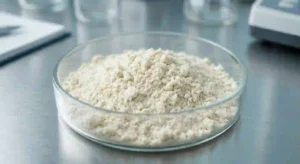
The Practical Benefits of Type 1 & 3 Bovine Collagen in Functional Product Development
Functional food and sports nutrition brands frequently ask about the type 1 and 3 bovine collagen benefits that set this ingredient apart from generic protein sources. As a wholesale supplier to the active nutrition industry, ATnutra understands that product developers need more than a nutrient panel — they need a functional ingredient that delivers real physiological value and processes smoothly across various formats.

Below, we focus on the practical ways this collagen enhances internal health applications — specifically for joints, bone, gut, and connective tissue — and how these benefits can strengthen your product portfolio.
The Structural Role of Type 1 & 3 Collagen in the Body
Type I collagen provides the strong, organized fiber bundles that give structure to tendons, ligaments, and bone matrix. Its thick fibrils are arranged to resist high tensile loads, making it the body’s primary load‑bearing protein. Type III collagen forms a finer reticular network that supports the structural framework of organs, blood vessels, and the intestinal lining. Together, this collagen matrix mirrors the natural composition found in human connective tissues that undergo constant mechanical stress.

Understanding the differences between collagen types helps formulators appreciate why hide‑based collagen is particularly suited for whole‑body structural support rather than isolated joint‑only applications. The bovine hide naturally contains type I and type III in a balanced ratio that closely matches human connective tissue needs, making the resulting peptide powder fit a wide range of functional product concepts.
Core Functional Benefits for Product Development
The key type 1 and 3 bovine collagen benefits span multiple tissues, each offering unique opportunities for product differentiation. Below, we detail how these advantages translate into real‑world applications.
Joint Mobility and Cartilage Maintenance
The extracellular matrix of articular cartilage relies on collagen for its tensile strength and ability to withstand repetitive compression. Type 1 and 3 bovine collagen peptides supply the precise building blocks — glycine, proline, and hydroxyproline — that chondrocytes require to maintain the cartilage framework and produce synovial fluid. Regular intake of these peptides supports the natural turnover cycle, helping to keep joints resilient during daily activities and exercise.
For product developers, this presents an opportunity to go beyond generic protein blends. A recovery shake featuring the collagen peptides can simultaneously deliver muscle‑supporting amino acids and joint‑specific nutrition. The neutral taste and instant solubility of hydrolyzed bovine collagen allow it to disappear into most flavor systems without gritty mouthfeel. Typical inclusion levels of 5–10 grams per serving are sufficient to support joint maintenance claims.
In functional foods aimed at active aging consumers, joint health is often a primary purchase driver. This ingredient provides a clean‑label option that can be marketed with clear, understandable language — no proprietary blends required. Its high stability during cooking and baking also makes it feasible to protein‑enrich breads or soups that target joint health.
Bone Integrity and Resistance to Microfracture
Bone is not a static structure but a dynamic tissue that continuously remodels. Up to 90% of its organic matrix consists of type I collagen, which gives bones the flexibility to absorb shock without fracturing. When collagen turnover declines, the skeleton becomes progressively more brittle. Consuming hydrolyzed bovine collagen peptides provides the specific amino acids needed to support osteoblast activity and maintain bone microarchitecture.
For formulations targeting women’s health, senior nutrition, or anyone concerned with long‑term mobility, pairing this collagen with calcium and vitamin D creates a synergistic bone health solution. The protein acts as the organic scaffolding, while the minerals fill in the inorganic component. This dual approach addresses both bone density and bone flexibility.
Commercial formats include fortified milks, meal replacement shakes, and dual‑chamber sachets that keep reactive vitamins separate until use. Because the peptide powder is low‑moisture and stable, it integrates directly into dry blends without special processing. The clean taste of bovine collagen also allows brands to develop chocolate or vanilla bone‑health powders that consumers actually enjoy drinking daily.
Gut Lining and Digestive Support
The gastrointestinal mucosa depends heavily on type III collagen, which forms the reticular network of the lamina propria underlying the epithelial cells. The amino acid glycine, abundant in type 1 and 3 bovine collagen, helps maintain the tight junction proteins that regulate intestinal permeability. Additionally, certain collagen peptides stimulate mucin production, which protects and lubricates the gut wall.
Protein supplements intended for sensitive stomachs often cause bloating or discomfort, but hydrolyzed collagen is generally well‑tolerated because it is already broken down into small peptides. This makes it an ideal base for gentle meal replacements, hospital nutrition formulas, and functional beverages aimed at digestive wellness.
When creating a gut‑focused product, combining this collagen with ingredients such as zinc carnosine or aloe vera inner leaf extract addresses multiple layers of gut support — from the mucosal barrier to smooth muscle function. The growing market for digestive health products makes this an attractive category for brand differentiation.
Tendon and Ligament Recovery
Tendons and ligaments are almost completely composed of type I collagen. Their dense, parallel‑packed collagen fibers must withstand high forces during physical activity. Unlike muscles, tendons have poor blood supply and slow turnover rates. Providing a ready supply of collagen peptides through the diet helps ensure that the body has adequate raw materials for repair and adaptation.
Athletes and active individuals who regularly put stress on their connective tissues benefit from a daily collagen regimen. Type 1 and 3 bovine collagen can be incorporated into pre‑workout drinks, post‑workout recovery shakes, or simply mixed into water as a standalone supplement. The low molecular weight peptides are rapidly absorbed and reach tendon‑specific receptors that signal matrix synthesis.
For brands, the tendon and ligament support angle differentiates bovine collagen from generic whey or plant proteins. It allows for targeted marketing to running clubs, CrossFit gyms, and manual labor professions. Single‑serve stick packs or ready‑to‑drink bottles with clearly stated type I collagen content make it easy for consumers to recognize the added value.
Multi‑Format Compatibility and Quick Absorption
Hydrolyzed type 1 and 3 bovine collagen typically has an average molecular weight below 3,000 Daltons, which allows it to dissolve completely in cold water without forming clumps. Once ingested, these peptides pass through the intestinal wall without the need for further digestion, leading to a rapid increase in collagen‑specific amino acids in the bloodstream. This pharmacokinetic profile is ideal for products designed around pre‑ or post‑exercise timing.

On the manufacturing side, high‑quality hydrolyzed collagen demonstrates excellent thermal stability. It can withstand UHT processing and acidic pH environments without precipitating or degrading, which is essential for clear functional beverages and shelf‑stable liquid products. Using properly hydrolyzed collagen eliminates the risk of fouling in heat exchangers and keeps your production line running smoothly.
Beyond liquids, the collagen powder is also suitable for pressed tablets, capsules, gummies, and extruded bars. Its neutral flavor and slight water‑binding capacity can improve bar texture and shelf‑life, reducing the need for artificial humectants. For any brand looking to consolidate their protein supply chain, this multi‑format versatility is a significant operational advantage.
What Formulators Should Verify When Sourcing
To consistently deliver type 1 and 3 bovine collagen benefits to end users, raw material quality must be verifiable. Key documents to request from any wholesale supplier include:
- SDS‑PAGE gel images showing distinct type I and type III band patterns, confirming the collagen is not contaminated with other proteins.
- Molecular weight distribution data demonstrating that at least 80% of the peptides fall below 3,000 Da.
- Heavy metal and microbial test results that comply with USP or EC regulations.
- Batch‑specific amino acid analysis showing glycine, proline, and hydroxyproline content within typical bovine hide ranges.
These data points ensure the collagen you buy will perform predictably in your final product and support the functional claims on your label. Without them, you risk batch‑to‑batch variability that can derail reformulation efforts.
Translating Benefits into Consumer-Ready Products
While the technical merits of type I and type III collagen are clear, successful commercial products also require alignment with market trends. Current consumer demand points toward:
- Multi‑function protein solutions that go beyond muscle building.
- Clean label with minimal processing aids and recognizable ingredients.
- Specific collagen type claims that show a brand understands their audience.
Bovine collagen type I and III checks all these boxes. Its functional story is easy to communicate on packaging: “Supports joints, bones, and gut health.” Because it is derived from a single ingredient with no carriers or artificial additives, it fits into clean‑label platforms. And its type‑specific identity aligns with the growing consumer awareness that different collagen types serve different roles.
From a regulatory standpoint, many regions allow the following structure‑function claims for type I and III collagen:
- Helps maintain healthy joint cartilage
- Supports bone mineral density
- Contributes to connective tissue integrity
- Promotes digestive comfort
These claims are broad enough to appear on multiple product categories yet specific enough to be meaningful. Combined with the correct dosage and a reliable supply chain, they create a strong value proposition.
Practical Formulation Ideas
Joint + Bone Combo Powder: A blend of type I and III collagen (10 g/serving), calcium citrate, and vitamin D3, flavored with natural vanilla. Mix into water or milk.
Clear RTD Hydration Drink: Use 5 g collagen per bottle, along with electrolytes and a light fruit flavor. The clarity and neutral pH stability of high‑quality bovine hide peptides ensure a visually appealing product.
Well‑Aging Protein Bar: Incorporate collagen into the bar matrix to improve chewiness and moisture retention, while delivering joint and bone benefits. Pair with nuts and honey for a functional snack.
Digestive Ease Breakfast Porridge Sachet: Instant oat blends fortified with collagen peptides, prebiotics, and a touch of cinnamon. A warm, gut‑friendly start to the day.
For each concept, starting with a high‑purity collagen ensures you have the flexibility to scale from trial batches to full production without reformulating.
Conclusion
The type 1 and 3 bovine collagen benefits for joint, bone, gut, and connective tissue health make it a strategic ingredient for any functional nutrition brand. From rapid absorption and processing ease to its clean organoleptic profile, it aligns with the performance and sensory demands of today’s consumers.
To explore how ATnutra’s bovine collagen can fit into your next development project, reach out directly for detailed specifications, a sample, and tailored formulation support.