What Is Marine Collagen Peptides?
If you’re sourcing ingredients for your next supplement launch, you’ve probably come across the term “marine collagen peptides” and wondered, what is marine collagen peptides, exactly? Let’s cut through the noise right here.
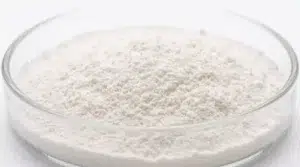
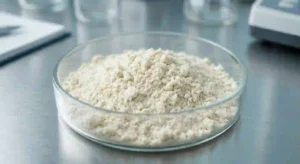
Marine collagen peptides are hydrolyzed proteins extracted primarily from fish skin and scales. When a formulator asks us “what is marine collagen peptides?”, we explain that these are short chains of amino acids produced by breaking down natural fish collagen through a controlled enzymatic process. The result? A fine, tasteless powder that dissolves instantly in water and delivers bioavailable Type I collagen—the same type that makes up human skin, bones, and tendons.
The marine collagen peptides meaning goes slightly deeper than “fish collagen.” True marine collagen peptides aren’t just ground‑up fish parts; they’re enzymatically cleaved into low‑molecular‑weight fragments that the body can absorb efficiently. If you see terms like marine based collagen peptides or marine sourced collagen peptides on a specification sheet, they all point to collagen derived from ocean animals—as opposed to bovine or porcine sources—and processed into peptide form.
Now, you might be thinking, how does this compare to regular collagen? That’s a question we’ve answered in detail for brand owners. Read our side‑by‑side breakdown here: collagen peptides vs marine collagen comparison. But in short, marine based collagen peptides bring a unique combo of clean label appeal, excellent solubility, and a sustainability story that consumers love. That’s why more supplement brands are switching to marine sources every year.
What Are Marine Collagen Peptides Made Of? The Ingredients and Raw Materials
One of the first questions we hear from brands is: what are marine collagen peptides made of? The simple answer is fish—mostly their skin, scales, and sometimes bones. But the full story matters if you’re going to market a product with confidence.

The Fish Species Behind Marine Collagen Peptides
Not all fish are created equal when it comes to collagen yield and quality. The marine collagen peptides source typically falls into two categories: farmed tilapia and wild‑caught cold‑water fish like cod or snapper. Tilapia, a freshwater fish widely farmed in Asia, provides a consistent, high‑quality raw material. Its skin and scales contain dense Type I collagen that extracts well during processing. On the other hand, cod and other cold‑water species offer a different fatty acid profile and are often favored for their “wild‑caught” story. Both are legitimate marine fish collagen peptide sources, and the choice often comes down to your brand’s narrative and target market.
When we talk about what are marine collagen peptides made of at the raw material level, the components are skin (the most common), scales (which yield a slightly higher mineral content), and occasionally bones. These by‑products of the seafood industry would otherwise go to waste, which is why marine collagen peptides made from fish by‑products carry an upcycling angle that resonates with eco‑conscious consumers.
From Skin and Scales to Powder: A Brief Overview
Marine collagen peptides made from fish start with a gentle extraction process that isolates the collagen proteins. The raw materials are cleaned, treated to remove non‑collagenous matter, and then subjected to enzymatic hydrolysis. This step is what differentiates true marine fish collagen peptide from plain fish gelatin or collagen protein. Enzymes cut the long collagen fibrils into short peptides with molecular weights typically between 2,000 and 3,500 Daltons. That small size is why the final powder dissolves so easily—no clumping, no fishy odor—making it a dream ingredient for ready‑to‑mix powders, beverages, and even clear functional shots.
If you’re formulating liquids, you’ll want to check our guide on creating stable liquid supplements with marine collagen. It covers everything from pH to preservation.
Marine Collagen Peptides Ingredients: What’s Really in the Powder?
When you receive a kilo of pure marine collagen peptides, what’s actually inside? We get asked all the time about marine collagen peptides ingredients, and the beauty of this product is its simplicity.
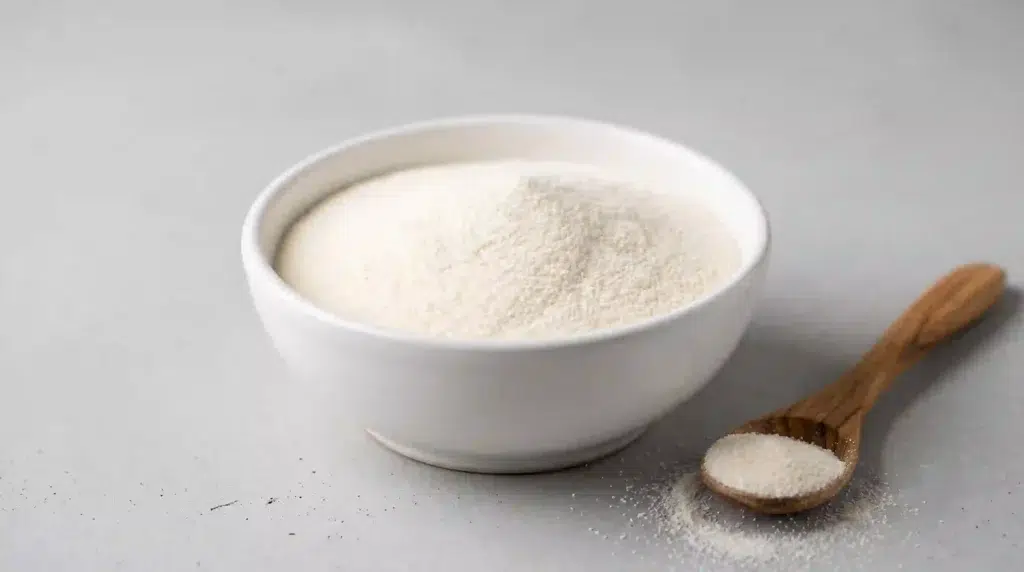
High‑quality marine collagen peptides ingredients consist of just one thing: hydrolyzed fish collagen protein. There are no fillers, no starches, no “proprietary blends.” A standard certificate of analysis (COA) will show:
- Protein content ≥ 90% (dry basis)
- Ash < 2%
- Moisture < 8%
- Fat negligible
- Heavy metals well below regulatory limits
So when a consumer picks up your product and reads the supplement facts panel, the marine collagen peptides ingredients line can be as clean as “Hydrolyzed Fish Collagen Peptides.” That’s a huge win in today’s clean‑label market. Still, we recommend checking the COA yourself. Look for the marine collagen peptides ingredients not just for purity, but also for the amino acid profile. Glycine, proline, and hydroxyproline should dominate, because those are the building blocks of collagen. A reliable marine fish collagen peptide supplier will have no problem sharing this data. If they hesitate, that’s a red flag. You can see an example of what a full specification looks like on our marine collagen peptides product page.
Why “Marine” Matters: The Advantages of Marine Sourced Collagen Peptides
You might be wondering, why go through the trouble of sourcing fish specifically? The reason is that marine sourced collagen peptides offer functional and market advantages that land‑animal collagens often can’t match.
First, there’s the safety aspect. Marine based collagen peptides carry no risk of bovine spongiform encephalopathy (BSE), which removes a regulatory hurdle in many countries. They’re also more easily certified Halal and Kosher compared to porcine or even bovine collagen—assuming the processing aids are compliant. That opens doors in markets where religious dietary certifications are non‑negotiable.
Second, marine sourced collagen peptides align perfectly with the sustainability narrative. Using fish skin and scales that would otherwise be discarded reduces waste and appeals to consumers who value environmental responsibility. When you can say on your packaging that your marine fish collagen peptide is upcycled from sustainable fisheries, you’ve got a strong differentiator.
Third, the performance profile stands out. Because marine based collagen peptides are predominantly Type I, they are especially effective in products targeting skin health, joint support, and overall beauty. Many studies—some of which we reference at the end of this guide—demonstrate that oral supplementation with marine fish collagen peptide can improve skin hydration, elasticity, and reduce wrinkles. The low molecular weight ensures rapid absorption, and the neutral taste means you don’t have to mask unpleasant flavors.
So when you’re comparing options, marine sourced collagen peptides often win on safety, sustainability, and sensory qualities. That’s why we’ve built our entire collagen line around them. For the full breakdown versus bovine collagen, our dedicated comparison guide is the place to go.
How Marine Collagen Peptides Are Manufactured: Quality You Can Trust
Knowing the process helps you ask the right questions when you’re talking to suppliers. The journey from ocean to powder for marine collagen peptides involves several critical steps, and each one affects the final product’s quality.
Enzymatic Hydrolysis: The Secret Behind Bioavailability
The magic happens during hydrolysis. Once the collagen is extracted from the fish skin, it exists as a large, insoluble molecule. To turn it into marine fish collagen peptide, manufacturers add specific enzymes that cut the collagen into smaller pieces. This is a controlled process—time, temperature, and pH are carefully managed—to achieve a consistent molecular weight distribution. The typical target for marine sourced collagen peptides is between 2,000 and 3,500 Da, which research suggests is the sweet spot for absorption and efficacy.
Brands that skip hydrolysis or do it poorly end up with a product that gels or clumps, which is unusable for most supplement formats. True marine based collagen peptides stay liquid and transparent even at high concentrations, thanks to proper hydrolysis.
Molecular Weight and Its Impact on Formulation
Why does molecular weight matter to you as a formulator? A marine fish collagen peptide with a smaller, uniform particle size will dissolve faster and remain stable in solution. That’s critical if you’re developing a ready‑to‑drink beverage or a liquid shot. If the peptides are too large, you’ll get grittiness or precipitation over time. That’s why we always recommend requesting a solubility test sample before you order a full batch. The spec sheet should list the average molecular weight; aim for under 3,500 Da for beverages and powders that need to mix clear.

Sensory Properties: Taste, Odor, and Mixability
Another reason marine sourced collagen peptides have become the go‑to for functional beverages is their sensory neutrality. A well‑processed marine fish collagen peptide has virtually no fishy taste or smell. It blends into water, coffee, or smoothies without altering flavor profiles. This is a game‑changer compared to some bovine collagens that can have a slight broth‑like note. We’ve written a whole article on formulation challenges and solutions for marine collagen liquids, which includes real‑world stability data and flavor‑masking techniques.

Wholesale Buyer’s Checklist: How to Vet a Marine Collagen Peptides Supplier
So you’re ready to source marine collagen peptides in bulk. Here’s exactly what to look for, based on years of supplying brands around the world.
Verify the Marine Collagen Peptides Source and Traceability
Start with the marine collagen peptides source. Ask the supplier: What fish species do you use? Where are they farmed or caught? Can you provide documentation tracing a batch back to its origin? A supplier who can’t answer these questions clearly isn’t worth your time. For marine fish collagen peptide, the best producers have direct relationships with fish farms or fisheries and conduct regular audits. This traceability not only ensures quality but also supports any sustainability claims you want to make on your label.
Examine the COA for Marine Collagen Peptides Ingredients and Purity
We’ve already talked about the simplicity of marine collagen peptides ingredients, but you still need to verify them every time. Request a recent COA and look at protein content, moisture, ash, and heavy metals. For marine fish collagen peptide, the protein on a dry basis should be 90% or higher. If it’s lower, ask why—you may be paying for water or fillers. Also check microbial limits: total plate count, yeast, mold, E. coli, and salmonella should be absent or very low. These numbers tell you whether the manufacturing facility follows good practices.
Taste and Solubility: Run Your Own Test
Never skip the sample evaluation. Order a small quantity of the marine collagen peptides you’re considering and test it in your finished product format. Does it dissolve completely in cold water? Does it change the flavor? Does it stay clear after 24 hours? Real marine sourced collagen peptides should perform flawlessly. If you detect a fishy note or cloudiness, walk away.
Check Certification Capabilities
Depending on your target market, you may need certifications like Halal, Kosher, Non‑GMO, Gluten‑Free, or even Organic. Not every marine based collagen peptides manufacturer can provide these. Ask upfront and get copies of valid certificates. Also inquire about their quality management systems—ISO, HACCP, or similar—as a sign of operational maturity.
Customization and Logistics Support
Finally, think beyond the powder. Many marine fish collagen peptide buyers need private labeling, custom packaging, or specific particle sizes. Does the supplier offer these services? Can they handle your volume and deliver consistently on time? A true partner will work with you to tailor the product to your requirements, not just sell you a generic ingredient.
When you’re ready to see our specifications and request a sample, visit our marine collagen peptides wholesale page.
Bringing It All Together: Your Next Step
By now, you have a solid understanding of what is marine collagen peptides, what they’re made of, and why the source and manufacturing process matter. You’ve seen how marine based collagen peptides stack up against other types, and you have a checklist to evaluate suppliers.
Whether you’re developing a beauty powder, a joint health formula, or a functional beverage, marine fish collagen peptide can be the star ingredient. Its clean label, neutral taste, and strong science backing make it a wise choice for brands targeting health‑savvy consumers.
If you’re ready to take the next step, we invite you to explore our product specifications and request a sample on our marine collagen peptides page. You’ll see exactly what we offer—from private labeling to custom packaging—and how we can help you bring a remarkable product to market.
Frequently Asked Questions About Marine Collagen Peptides
We’ve summarized the most common questions we receive from brands and formulators below. If your question isn’t here, feel free to get in touch.