Bone Broth Protein Extraction Process: From Kitchen Simmer to Spray Dried Powder
Quick Answer: How to Make High-Protein Bone Broth
- Biochemical Foundation: The extraction process relies on the thermal denaturation of the collagen triple helix, converting insoluble fibrous tissues into soluble gelatin and constituent amino acids.
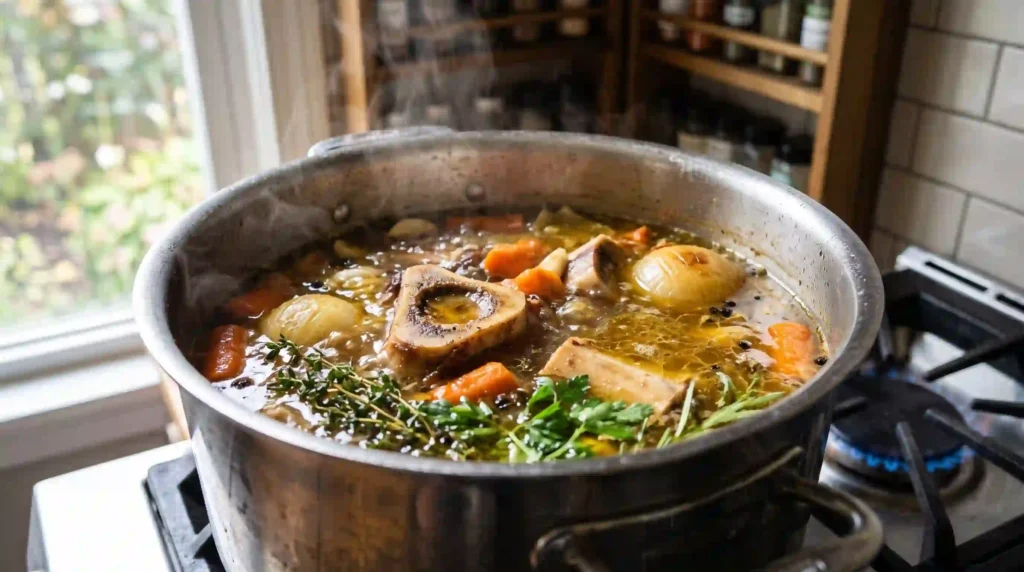
- Kitchen-Scale Parameters: Maximize yield by selecting connective-tissue-heavy raw materials (knuckles, trotters, feet), maintaining strict isobaric temperature control (simmering precisely at 205°F / 96°C), and minimizing solvent (water) volume.
- Industrial-Scale Reality: Commercial manufacturers bypass atmospheric simmering entirely. Through the deployment of exogenous enzymatic hydrolysis, centrifugal filtration, and high-temperature atomization, manufacturers achieve over 90% pure peptide concentration on a dry matter basis.
- Measurement Standard: True protein density in the B2B sector is not evaluated by culinary gel strength, but by specific molecular weight distributions measured in Daltons (Da) via High-Performance Liquid Chromatography (HPLC).
Many formulators, functional beverage developers, and health-conscious consumers wonder exactly how to make high-protein bone broth that delivers quantifiable physiological benefits rather than merely functioning as a culinary flavor enhancer. The shift from standard soup stock to a functional bio-active ingredient requires a fundamental understanding of protein biochemistry. Whether you are aiming for deep personal nourishment or preparing to scale a new sports nutrition product, understanding the precise science of collagen extraction is the mandatory first step. By mastering the molecular mechanisms of this conversion, you will understand the vast technological chasm between kitchen experiments and industrial manufacturing. Additionally, knowing how to make high protein bone broth can be a game-changer in your culinary repertoire.
The Biochemistry of Connective Tissues and Collagen
To truly master the extraction process, one must first deconstruct the raw material. Bones are not merely inert structures of calcium phosphate; they are highly complex biological matrices consisting of a mineralized framework embedded with a dense network of proteins. Approximately 30% of the organic mass of bone consists of collagen, making it the primary target for protein extraction.
When you learn how to make high protein bone broth, you unlock the benefits of collagen and amino acids that support joint health and overall wellness.
Understanding the extraction process is crucial when figuring out how to make high protein bone broth effectively.
The Collagen Triple Helix Structure
Collagen is unique among mammalian proteins due to its rigid, rope-like molecular architecture. It consists of three distinct polypeptide chains wound together in a tight, right-handed triple helix. This structure is held together by extensive hydrogen bonding, which provides incredible tensile strength. The amino acid profile of collagen is highly specific, typically consisting of a repeating sequence of Glycine-Proline-Hydroxyproline (Gly-Pro-Hyp). Glycine, being the smallest amino acid, fits perfectly into the crowded interior of the helix, while proline and hydroxyproline provide steric stability.
The collagen in bone broth is what makes it a valuable source of nutrients. Knowing how to make high protein bone broth helps maximize these benefits.
Types of Collagen in Raw Materials
Not all bones yield the same protein profile. Understanding the distribution of collagen types is critical for optimizing your raw material selection:
- Type I Collagen: Found primarily in skin, tendon, vasculature, and the organic part of bone. This provides the bulk of the protein yield.
- Type II Collagen: The main component of cartilage. Sourcing joint-heavy bones (such as knuckles and trachea) significantly increases Type II yield, which is highly sought after for joint health formulations.
- Type III Collagen: Often found alongside Type I, prevalent in reticular fibers and skin.
To optimize your selection of raw materials, consider how to make high protein bone broth using bones rich in collagen.
The Denaturation Process (Gelatinization)
Understanding the gelatinization process is key to mastering how to make high protein bone broth.
In its native state, the collagen triple helix is insoluble in water. The fundamental goal of extraction is to introduce enough thermal energy to break the non-covalent intermolecular bonds (hydrogen bonds) without completely destroying the primary peptide bonds of the individual amino acid chains. When heat is applied in an aqueous environment, the triple helix unwinds, and the chains separate into random coils. This denatured, water-soluble form of collagen is known as gelatin. The efficiency of this phase transition dictates the final macronutrient density of the resulting liquid.
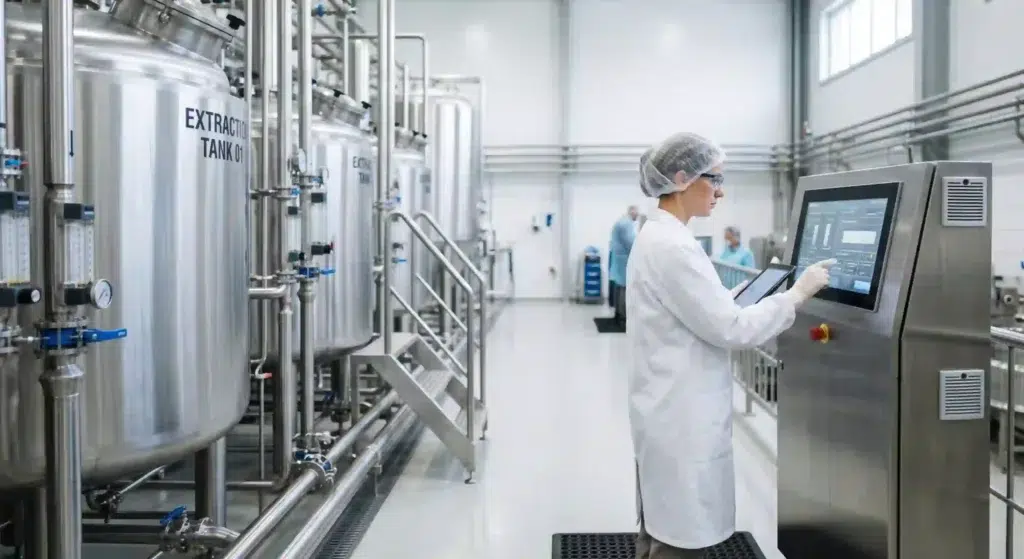
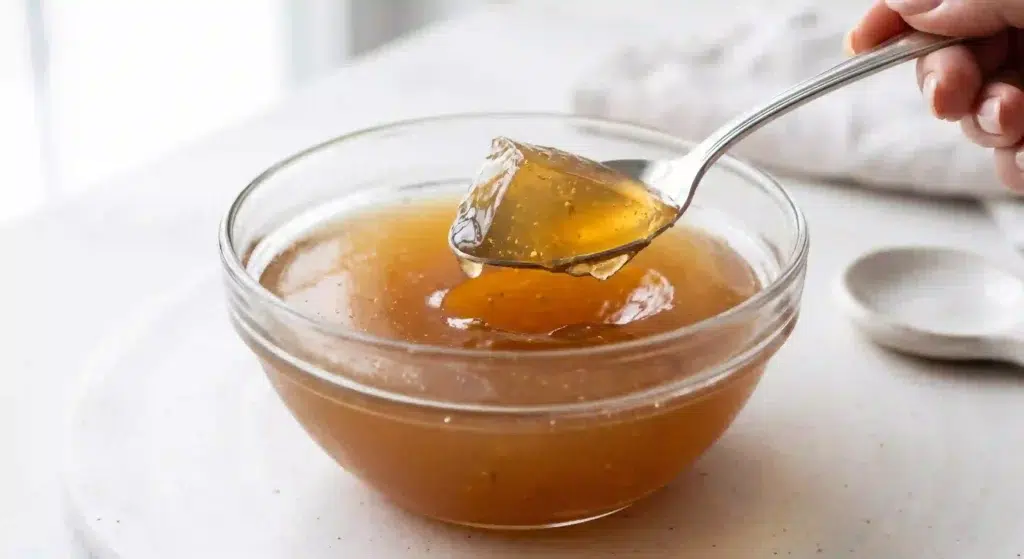
When exploring how to make high protein bone broth, it’s essential to understand the significance of temperature control.
Thermodynamics and Extraction Kinetics at Atmospheric Pressure
When operating in a standard kitchen or small-scale commercial kitchen environment, extraction occurs under atmospheric pressure. This imposes a strict thermodynamic limit on the process: water cannot exceed 212°F (100°C) without turning into steam. Therefore, the kinetics of protein extraction rely entirely on the duration of exposure to sub-boiling temperatures.
The Problem with Violent Boiling
Avoiding violent boiling is critical when learning how to make high protein bone broth, as it can damage the delicate proteins.
A common misconception is that aggressive boiling will extract more nutrients faster. From a biochemical perspective, this is highly detrimental. A rolling boil (100°C with high turbulence) causes violent mechanical agitation. This agitation physically tears the delicate, newly formed gelatin networks. Furthermore, the extreme heat accelerates the saponification of bone marrow fats, emulsifying them directly into the liquid phase. This creates a cloudy, lipid-heavy suspension rather than a pure protein extract, significantly lowering the overall purity and creating stability issues.
The Ideal Thermal Window
By mastering how to make high protein bone broth, you can perfectly balance flavor and nutrition.
The optimal thermal window for atmospheric extraction lies between 195°F and 205°F (90.5°C – 96°C). At this precise range, the water provides sufficient thermal energy to continually denature the collagen matrix without causing turbulent emulsification of lipids. Maintaining this strict parameter requires specialized equipment, such as induction holding tanks or highly calibrated slow cookers, to prevent thermal drift over a 24 to 48-hour extraction cycle.
Identifying the Core Variables
Even with perfect thermal control, several secondary parameters must be mathematically optimized. Formulators and chefs alike must manipulate specific inputs to push the extraction yield to its theoretical maximum. To ensure you are maximizing homemade bone broth protein, you must treat the kitchen as a laboratory and control the physical variables.
| Physicochemical Variable | Impact on Extraction Kinetics & Protein Yield | Standard Optimization Strategy |
|---|---|---|
| Surface Area to Volume Ratio | Intact, large femurs expose minimal surface area to the solvent (water). The core of the bone matrix remains unpenetrated by thermal energy, trapping collagen deep within the calcified structure. | Mechanical reduction. Sawing or cross-cutting bones into 1-inch to 2-inch segments exponentially increases the exposed cross-sectional surface area, accelerating hydrolysis. |
| Solvent (Water) Saturation | Water acts as the universal solvent in this reaction. However, a high solvent-to-solute ratio mathematically dilutes the final concentration of extracted peptides, yielding a low-Brix, watery fluid rather than a dense gel. | Maintain a strict 1:1 or minimal-coverage ratio. The solvent should never exceed 1 inch above the top layer of the raw material matrix. |
| Solvent pH (Acidity) | A neutral pH (7.0) is inefficient for breaking down the calcium phosphate (hydroxyapatite) mineral web that encases the collagen fibers. | Introduce a weak acid (e.g., acetic acid via apple cider vinegar) to lower the pH to roughly 5.5 – 6.0. This mild acidification helps demineralize the exterior, allowing water deeper access. |
| Extraction Duration | Gelatinization is not instantaneous. It follows a non-linear time curve. Insufficient time leaves up to 60% of potential proteins locked within the matrix. | Poultry matrix: 12 to 24 hours. Bovine/Porcine matrix: 24 to 48 hours. Beyond 48 hours, sensory degradation (bitterness via extreme peptide cleavage) may occur. |
By strictly adhering to these metrics, formulators can troubleshoot inconsistent batches. Understanding the factors that affect broth protein is the dividing line between an amateur culinary endeavor and a systematic, repeatable extraction protocol.
By understanding the core variables involved, you can effectively learn how to make high protein bone broth that meets your expectations.
The Limitations of Traditional Methodology
Despite perfect adherence to the variables outlined above, atmospheric extraction possesses inherent, insurmountable limitations. The highest quality small-batch extraction might achieve a protein concentration of 5% to 8% in its liquid state. Once dehydrated, the macronutrient profile often still contains significant amounts of residual fats, minerals, and complex carbohydrates (glycosaminoglycans).
Furthermore, the molecular weight of gelatin produced via simple thermal extraction is massive—often ranging from 50,000 to 100,000 Daltons. These enormous molecular chains are responsible for the “gelling” effect. While visually pleasing to home cooks, these massive molecules present severe challenges for bodily absorption and commercial formulation. They are insoluble in cold water, clump instantly in manufacturing hoppers, and possess poor bioavailability compared to smaller peptide chains.
Even with all factors considered, knowing how to make high protein bone broth can still yield variable results.
The Paradigm Shift: Advanced Industrial Extraction
To meet the rigorous demands of the global sports nutrition, medical foods, and functional beverage markets, the traditional extraction model must be entirely discarded. B2B manufacturers require a raw material that is sterile, instantly soluble in cold water, highly bioavailable, and concentrated to an extreme degree. This necessitates a transition to high-tech commercial broth extraction.
The shift to industrial methods reflects the growing need for understanding how to make high protein bone broth at scale.
Stage One: High-Pressure Mechanical Pre-Treatment
Industrial processing begins with the complete physical deconstruction of the raw material. Industrial crushers reduce the bovine or avian material into a fine paste or micro-particulate slurry. This slurry is then subjected to a rigorous defatting process. Using centrifugal decanters, the raw material is spun at high G-forces to separate the lipid fraction from the protein-mineral fraction mechanically. Removing the fat early prevents lipid oxidation (rancidity) later in the process and ensures a highly pure protein yield.
High-pressure treatments can enhance the extraction process, making it easier to learn how to make high protein bone broth.
Stage Two: Isobaric Thermal Hydrolysis
The defatted slurry is pumped into massive, sealed stainless-steel autoclaves. Unlike the atmospheric pressure of a kitchen (1 atm), these commercial vessels operate at high pressures (often 2 to 3 atm). This elevated pressure alters the thermodynamics of water, allowing the solvent to reach temperatures of 120°C to 130°C (248°F – 266°F) without boiling into steam. The high-heat, high-pressure environment violently disrupts the calcium matrix. It forces the rapid uncoiling of the collagen triple helix in a fraction of the time required by traditional methods.
By utilizing advanced techniques, manufacturers can streamline how to make high protein bone broth for commercial use.
Stage Three: Exogenous Enzymatic Hydrolysis
This is the most critical technological leap in industrial manufacturing. Thermal energy alone cannot cleanly cut protein chains; it tears them randomly. To achieve a specific, standardized product, manufacturers employ enzymatic hydrolysis.
The temperature of the autoclave is carefully lowered to the optimal active range for specific biological enzymes (typically 50°C to 60°C). Highly purified exogenous proteases (such as papain, bromelain, or proprietary microbial endopeptidases) are introduced into the liquid. These enzymes act as molecular scissors. Instead of random tearing, the enzymes target specific peptide bonds within the long gelatin chains, cleanly cleaving them into much smaller fragments known as bio-active peptides.
This enzymatic cleavage is meticulously timed and monitored. The process continues until the massive 100,000 Dalton gelatin molecules are reduced to ultra-small peptide chains, typically ranging between 2,000 and 5,000 Daltons. At this molecular weight, the protein completely loses its ability to form a gel. It becomes entirely water-soluble, even in ice water, and its bioavailability (absorption rate in the human gut) increases exponentially.
Enzymatic processes are a breakthrough in understanding how to make high protein bone broth with precision.
Stage Four: Enzyme Deactivation and Clarification
Once the target Dalton weight is achieved, the liquid is subjected to a rapid, high-heat flash pasteurization (often exceeding 90°C for a short duration). This thermal spike instantly denatures and permanently deactivates the enzymes, halting the hydrolysis process exactly where desired. The liquid then passes through a series of rigorous clarification steps. High-speed disc stack centrifuges remove any remaining suspended microscopic bone particles, and ultra-filtration membranes (utilizing reverse osmosis principles) strip away residual sodium and heavy minerals. The result is a translucent, highly purified liquid peptide extract.
Clarification is a vital step in the process of how to make high protein bone broth.
The Physics of Concentration and Dehydration
Transporting liquid extract globally is economically unviable due to shipping the weight of water. The final, critical phase of commercial manufacturing is converting the liquid into a stable, dry raw material.
Understanding concentration methods is crucial for those learning how to make high protein bone broth.
Vacuum Evaporation (Concentration)
Before drying, the liquid must be concentrated. Boiling the liquid to remove water would cause severe thermal degradation, triggering the Maillard reaction (browning) and destroying the sensitive amino acids. Instead, the liquid is drawn into a vacuum evaporator. By significantly lowering the atmospheric pressure inside the chamber, the boiling point of water drops to around 40°C to 50°C. This allows the gentle, rapid evaporation of massive amounts of water without exposing the peptides to damaging heat. The liquid is condensed into a thick, highly viscous syrup (often 40% to 50% solid matter).
Atomization and Spray Drying Technology
The viscous syrup is pumped under extreme high pressure into a specialized spray drying tower. At the top of the tower, high-shear atomizing nozzles (or rotary atomizers spinning at up to 20,000 RPM) shatter the thick liquid into millions of microscopic droplets, creating a fine mist.
Simultaneously, a cyclonic vortex of highly purified, incredibly hot air (often 180°C to 220°C) is blasted into the chamber. Because the atomized droplets possess an enormous collective surface area, the thermal transfer is near-instantaneous. The water flashes off the droplets in a fraction of a second—so fast that the evaporative cooling effect protects the actual protein molecules from reaching the high temperatures of the surrounding air.
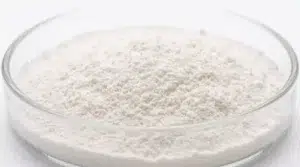
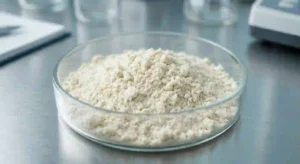
The solid particles fall to the bottom of the chamber, resulting in the creation of premium spray dried bone broth powder. This technologically advanced powder boasts a protein concentration that routinely exceeds 90% to 95% on a dry matter basis. It is microbiologically stable, possesses a shelf life of over two years, and dissolves instantly in formulation.
Advanced drying techniques ensure that the final product of how to make high protein bone broth is shelf-stable and high-quality.
B2B Applications and Formulation Strategies

The development of ultra-low molecular weight peptide powders has revolutionized the dietary supplement and functional food sectors. Understanding the distinct advantages of this raw material allows product developers to innovate across multiple categories.
- Ready-to-Drink (RTD) Beverages: Traditional gelatin-based broths would solidify in cold RTD applications. Enzymatically hydrolyzed powders maintain low viscosity and perfect clarity in liquid suspension, allowing for the creation of high-protein sports recovery waters and iced coffees.
- Protein Bars and Extruded Snacks: The extremely low moisture content and fine particle size of spray-dried powders act as excellent binders in protein bar manufacturing. They improve the chewiness and moisture retention (water activity reduction) of the bar, extending shelf life while boosting the collagen peptide label claim.
- Medical Nutrition and Enteral Feeding: Because the peptides are pre-digested (cleaved down to 2,000 – 5,000 Daltons), they require minimal enzymatic action in the human stomach. This makes them highly suitable for medical nutrition formulations aimed at geriatric populations or patients with compromised digestive systems.
- Cosmeceuticals and Nutricosmetics: The specific abundance of hydroxyproline and glycine serves as the direct physiological building blocks for human skin, hair, and nail regeneration, making these B2B powders the core active ingredient in the booming beauty-from-within market.
When formulators demand absolute consistency, zero lipid rancidity, and maximum solubility, the clear choice is to transition away from ambiguous culinary extracts and source premium chicken bone broth protein that has been engineered through advanced industrial hydrolysis.
The versatility of peptide powders opens new avenues for those interested in how to make high protein bone broth for various applications.

Source Wholesale Spray-Dried Peptide Powders
If you are an R&D formulator, procurement manager, or functional food developer seeking a reliable, high-volume supply chain for your next product line, standard extraction methods will not meet your specifications. Our manufacturing facilities are engineered for absolute molecular precision. We utilize advanced mechanical defatting, isobaric thermal pre-treatment, and strictly controlled enzymatic hydrolysis to produce ultra-pure, high-solubility peptide raw materials.
For formulators, knowing how to make high-protein bone broth is a key aspect of product development.
Frequently Asked Questions
Yes, a pressure cooker can shorten the extraction time because it reaches higher temperatures than simmering. However, some delicate proteins can degrade at extreme heat, so you might sacrifice a bit of gel strength. It is still an effective way to make a protein-rich broth in about two to four hours.
Vegetables like carrots, celery, and onions contribute negligible protein, so they do not significantly alter the total protein in your broth. They do, however, add flavor and micronutrients, making the broth more palatable without diluting the protein.
A simple refrigerator test works well: chill the broth for several hours. If it sets into a firm, wobbly gel, it indicates a high gelatin and therefore high protein content. A liquid broth that remains fluid when cold likely has a lower protein concentration.
Fish bones yield a lighter but still nutritious broth. The protein content can be modest compared to beef or chicken, but longer simmer times can extract more collagen from fish heads and frames. The resulting broth tends to be thinner but is packed with marine nutrients.
Yes. The enzymatic hydrolysis process utilizes naturally occurring biological proteases (often derived from fruit like papaya or pineapple, or non-GMO microbial fermentation). Because no harsh synthetic chemicals, solvents, or acids are used in the extraction—only water, pressure, heat, and natural enzymes—the resulting powder aligns perfectly with strict clean-label, non-GMO, and organic certification standards.
References
- Thermodynamics of Gelatin Formation and Extraction Kinetics – ScienceDirect
- Collagen and Gelatin: Molecular Structure, Properties, and Industrial Applications – NCBI
- Enzymatic Hydrolysis of Connective Tissue Proteins: Cleavage Specificity – Journal of Agricultural and Food Chemistry
- Advanced Processing Trends and Spray Drying Parameters for Commercial Broth – Institute of Food Technologists (IFT)
- Regulatory Definitions of Protein Density and Labeling – FDA.gov