Beef Protein Isolate vs Bone Broth Protein: The Brand Owner’s Technical Guide to Smart Sourcing
Quick Answer
When evaluating beef protein isolate vs bone broth protein for supplement manufacturing, the choice dictates your end product’s success. Beef protein isolate is a BCAA-rich, highly soluble powder optimized for muscle recovery and clear RTD beverages. Conversely, bone broth beef protein provides structural, collagen-specific amino acids (glycine and proline), making it perfect for joint health supplements and savory formulations. Both are premium wholesale ingredients, but their manufacturing applications and amino acid profiles differ completely.

Industrial Definitions: Understanding the Raw Materials
What Is Beef Protein Isolate Really Made Of?
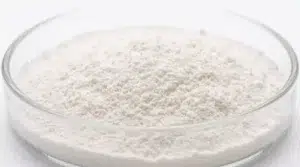
Beef protein isolate begins with edible, USDA‑inspected beef muscle tissue. Quality‑focused manufacturers use dedicated muscle trimmings to undergo gentle enzymatic hydrolysis. This process guarantees a clean amino acid backbone. The hydrolysate is passed through molecular‑weight membranes to strip out fat, ash, and carbohydrates. The result is a highly purified powder with a protein content exceeding 90% on a dry basis. If you are exploring the beef protein isolate benefits for sports nutrition, this muscle-derived profile is what delivers rapid absorption and performance support.
The Anatomy of Bone Broth Protein
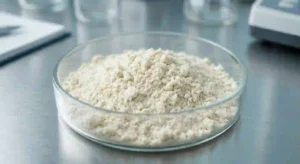
Instead of extracting single peptides with aggressive acids, the bone broth process mimics a traditional, slow-simmering water bath. This low‑temperature extraction retains the natural nutritional matrix of connective tissues, joints, and bones. Because the primary source is skeletal, this ingredient is widely recognized as bone broth beef protein. For brands looking to capitalize on ancestral nutrition, understanding the core bone broth protein benefits—such as gut health and tissue repair—is crucial for product positioning.
In the formulation debate of bone broth protein vs beef protein, think of it as the difference between muscle fibre and connective tissue. Both are highly valuable, but they solve completely different physiological and manufacturing challenges.
Hard‑Number Comparisons: Nutrition and Functionality
Amino Acid Fingerprints
Any technical evaluation of beef protein isolate vs bone broth protein must begin with the amino acid chromatograph. Beef protein isolate is built around branched‑chain amino acids (BCAAs). A typical lot shows leucine values exceeding 8%, making it an exceptional plant‑free alternative for muscle building. In contrast, bone broth beef protein is rich in conditionally essential amino acids. Glycine routinely accounts for over 20% of the pool. To understand exactly what this yields nutritionally, you can review how much protein in beef bone broth translates to functional beef bone broth protein powder benefits for skin elasticity and joint comfort.
| Amino Acid | Beef Protein Isolate (g/100g) | Bone Broth Protein (g/100g) |
|---|---|---|
| Leucine (BCAA) | 8.5 – 10.5 | 2.5 – 3.5 |
| Glycine | 4.0 – 6.0 | 20.0 – 25.0 |
| Proline | 4.0 – 5.5 | 10.0 – 14.0 |
| Hydroxyproline | < 0.5 | 8.0 – 12.0 |
| Glutamine (as Glu) | 12.0 – 14.0 | 8.0 – 10.0 |
Functional Properties at Plant Scale
Lab‑scale data means nothing if the powder misbehaves in a 2-ton mixing tank. The physical chemistry of these two proteins dictates their applications:
- Beef Protein Isolate: Dissolves fast in cold water, yielding a clear, low‑viscosity solution. This is a game‑changer for transparent protein waters and RTDs. When processing dry blends, following a grass fed beef protein isolate capsule formulation guide ensures optimal flowability and encapsulation without hygroscopic clumping.
- Bone Broth Protein: Goes into solution as an opaque, viscous liquid carrying a savoury aroma. The gelatin fraction can set during cooling, which impacts liquid filling lines. To avoid production headaches, formulators should rely on a dedicated bone broth protein formulation guide. It flows beautifully for tablets and savory dry soup mixes.

Bioavailability and Absorption Kinetics
Peptide Cleavage and Digestibility
For advanced formulators, the true test of beef protein isolate vs bone broth protein lies in bioavailability. The enzymatic hydrolysis of the isolate ensures rapid gastric emptying, making it ideal for immediate post-workout recovery. Conversely, bone broth beef protein contains larger peptide structures that require more extensive digestive cleavage, providing a sustained release of amino acids. Understanding this kinetic difference allows brands to tailor formulations for either fast-acting muscle synthesis or extended overnight tissue repair.
Targeted Tissue Uptake
The physiological destination of these amino acids further separates the two ingredients. Clinical tracing shows that the high leucine content in the isolate directly stimulates the mTOR pathway in skeletal muscle. However, evaluating bone broth protein vs beef protein reveals that the hydroxyproline in the broth preferentially targets fibroblasts, stimulating endogenous collagen production. Therefore, any formulation debate regarding beef protein isolate vs bone broth protein must prioritize the intended tissue target—muscle hypertrophy versus connective tissue regeneration.
Sustainability and Supply Chain Upcycling
Eco-Friendly Procurement Profiles
Modern B2B buyers must also assess the environmental footprint of beef protein isolate vs bone broth protein. The production of bone broth beef protein is a prime example of sustainable upcycling, utilizing skeletal by-products that would otherwise be discarded. From an ESG (Environmental, Social, and Governance) perspective, this waste reduction is highly attractive. However, examining life-cycle assessments shows that modern isolation facilities now capture and reuse water, narrowing the sustainability gap significantly.
Marketing the Upcycled Narrative
Brand owners can leverage these sourcing facts for consumer marketing. Promoting a product that utilizes sustainable bone broth beef protein appeals to eco-conscious demographics. If your marketing team is finalizing bone broth protein vs beef protein messaging, highlighting the upcycled nature of the connective tissue can be a significant differentiator. Ultimately, the long-term commercial viability of beef protein isolate vs bone broth protein relies on transparent, sustainable sourcing practices that resonate with both B2B formulators and end consumers.
Inside the Supply Chain: Sourcing and Procurement
What Drives Wholesale Pricing?
When comparing beef protein isolate vs bone broth protein costs, beef isolate tracks the international lean‑beef market closely. When cattle futures spike, muscle trimming costs jump. Bone broth protein experiences a milder material price curve, though understanding how to make high protein bone broth at an industrial scale reveals that the slow-simmer processing adds significant fixed energy costs. Smart brand owners negotiate based on cost per gram of deliverable active rather than raw bulk weight.
Adulteration Tricks to Watch For
Beef protein isolate can be stretched with cheap vegetable proteins, while true bone broth beef protein faces adulteration risks with standard hydrolysed gelatin. Always request a certificate of analysis (COA) that includes a molecular‑weight distribution profile to verify the critical hydroxyproline-to-glycine ratio. Comparing bone broth protein vs beef protein COAs side-by-side is your best defense against commodity fraud.
A Step‑by‑Step Decision Framework for Buyers
- Define the dosage form: Capsules bias toward bone broth beef protein due to excellent powder flow; clear beverages demand beef protein isolate.
- Align certifications: Verify novel‑food status for the European Union or secure trace-to-abattoir Halal/Kosher documentation.
- Audit sensory consistency: Request retained samples from the supplier’s last three production runs to ensure colour, odour, and taste remain stable.