Bone Broth Protein Formulation: A B2B Guide to Commercializing Savory Nutrition
Quick Answer
How can formulators scale savory nutritional concepts?
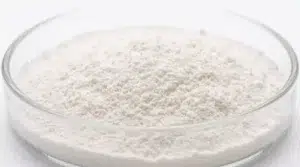
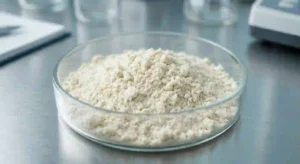
For R&D teams, utilizing wholesale chicken bone broth protein powder is the most efficient way to scale savory nutrition into commercial ready-to-mix (RTM) products. It bypasses inefficient home extraction by delivering instant solubility, precise amino acid standardization, and a 24-month ambient shelf life for clean-label applications. For product developers and formulators in the nutraceutical industry, engineering savory nutritional profiles presents a unique set of technical challenges. Moving away from traditional sweet dairy or plant isolates requires raw materials that offer neutral organoleptic properties, high solubility, and exact amino acid standardizations. This technical guide outlines how R&D teams can utilize advanced wholesale extracts to formulate clean-label savory applications that meet modern consumer demands without compromising manufacturing efficiency.
Market Dynamics: Translating Consumer Culinary Trends into RTM Products
In product development, monitoring raw consumer search intent provides critical data for the next generation of dietary supplements. Currently, the wellness sector is exhibiting severe “sweetener fatigue.” Consumers are actively seeking functional, savory nutrition to support joint and gut health, but they are relying on inefficient home methods to achieve these core biological benefits.
Data-Driven Formulation Opportunities
When analyzing digital search behaviors, we see a massive, sustained spike in queries for high protein chicken broth recipes. This is not merely a culinary trend; it is a direct signal of unfulfilled market demand. As everyday consumers hunt for reliable high protein chicken broth recipes, they are essentially attempting to construct their own savory amino acid delivery systems, often spending hours researching laborious preparation methods. The high search volume surrounding everyday protein soup recipes indicates that shoppers want functional structural proteins (collagen) in a comforting, savory format. For commercial brands, the objective is to capture this demographic by engineering a highly soluble, standardized powder that immediately replaces the need for these residential kitchen experiments.

Biochemical Engineering: Overcoming Extraction Limitations
To successfully commercialize these concepts, formulators must understand the biochemical limitations of traditional extraction, including the distinct nutritional differences between standard culinary liquids and advanced connective tissue matrixes.
The Technical Gap in Connective Tissue Extraction
When consumers attempt cooking with bone broth for protein in their own kitchens, they are biologically targeting structural amino acids: Glycine, Proline, and Hydroxyproline. However, achieving a therapeutic yield of these peptides at home requires 12 to 24 hours of controlled thermal hydrolysis to break down the connective tissue matrix. This explains why cooking with bone broth for protein organically often yields inconsistent results compared to a standardized extract.
Furthermore, when individuals experiment with easy broth recipes high protein variations, the resulting liquid is highly susceptible to rapid microbial growth, oxidation, and wildly inconsistent macronutrient profiles per batch.
| Application Challenge | Consumer/Traditional Method | Industrial Wholesale Solution (R&D) |
|---|---|---|
| Peptide Yield & Standardization | Inconsistent macro-nutrients when cooking with bone broth for protein. | Enzymatically hydrolyzed raw materials guaranteeing precise protein content per 100g. |
| Shelf Stability & Oxidation | Easy broth recipes high protein liquids require heavy preservatives or freezing. | Defatted, ultra-low moisture powder (<5%) providing 24-month ambient shelf life. |
| Dispersibility | Home extracts solidify unevenly and clump when mixed with other ingredients. | Optimized molecular weight (Daltons) ensures instant dispersion in ambient liquids. |
Functional Applications: Enhancing Food Matrices and Lifestyle Demands
Beyond traditional dietary supplements, this raw material exhibits exceptional functional properties within the broader food and beverage sector, specifically addressing the physical challenges of lifestyle nutrition.
Viscosity and Moisture Retention in Formulations
Athletes and busy professionals heavily utilize broth-based meal prep to hit precise nutritional targets. A persistent issue in this sector is moisture loss during the reheating process of any weekly broth-based meal prep. When developing a commercial bone broth protein formulation, developers can create a product that acts as a functional binder. When refrigerated, the natural collagen content forms a protective gel matrix. Upon microwaving, it melts back into a rich, hydrating sauce, preventing the primary food matrix from drying out during broth-based meal prep routines, while seamlessly injecting an additional 15-20g of clean protein.

Procurement Specifications: Why Raw Material Quality is Paramount
For purchasing managers and QA scientists, the success of a savory RTM product hinges entirely on the raw material’s physical specifications. Inferior extracts often suffer from poor bulk density, high lipid content (leading to rancidity), and poor flavor masking.
Our facility provides a highly purified, single-source ingredient designed strictly for an industrial bone broth protein formulation. We ensure a neutral organoleptic profile—meaning your R&D team does not need to overload the formula with sodium or artificial masking agents. Furthermore, our strict defatting and filtration processes guarantee optimal flowability for V-blenders and ribbon mixers, ensuring rapid, clump-free processing on your manufacturing line.