Quick Answer: How is beef protein isolate made? It is a clean, multi-step process that starts with collagen-rich bovine tissues. The raw beef protein isolate ingredients are washed, heated, and broken down by natural enzymes into tiny, easy-to-digest protein fragments. Next, the liquid passes through microscopic filters to remove all the fat, salt, and beefy flavor. Finally, it is spray-dried into a fine powder. The end result is a 100% dairy-free, zero-carb product with a unique beef protein isolate amino acid profile that supports joint, skin, and muscle health.
Dairy-free and gut-friendly proteins are dominating the supplement aisle right now. As a result, beef-derived protein powder has become incredibly popular. But when you look at a scoop of smooth, chocolate-flavored powder, it is hard to imagine how it started out as beef.
If you are looking to create or stock a premium nutrition product, understanding the supply chain is essential. Knowing exactly how is beef protein isolate made helps you guarantee the quality, taste, and performance of the final supplement. It is not magic—it is just smart, highly controlled food processing. Let’s take a clear, step-by-step look at how the factory turns raw materials into a clean, soluble powder.
The Starting Point: The Real Ingredients
The biggest misconception about beef protein powder is that it is made by dehydrating steaks or ground meat. In reality, the core beef protein isolate ingredients are the collagen-rich parts of the cow, specifically the hides and connective tissues.
For those researching ingredients and comparing beef protein isolate vs bone broth protein, the difference starts right here. While bone broth utilizes bones and simmering to extract a savory liquid, this isolate process focuses entirely on hides and tissues. Why? Because these structures are naturally loaded with Type I and Type III collagen. This gives you a massive amount of the specific proteins that support human joints. When sourcing the best beef protein isolate ingredients, quality manufacturers ensure the tissues come from healthy, inspected cattle, often with options for Grass-Fed, Halal, or Kosher certifications.
Washing and Pre-Treatment
You cannot just boil raw materials and expect a clean powder. The first major step on the factory floor is a deep clean. The tissues are chopped into smaller pieces and soaked in large vats of purified water mixed with a mild, food-grade alkaline solution.
Think of this step like soaking a dry sponge. The solution gently opens up the tightly woven protein fibers, causing the tissue to swell. This makes it much easier to extract the protein in the next step. After soaking, the material is thoroughly washed with fresh water over and over again to flush out any dirt or impurities. This heavy washing is the secret to making sure the final powder has a clean, neutral base.
Heat and Enzymes (The Core Process)
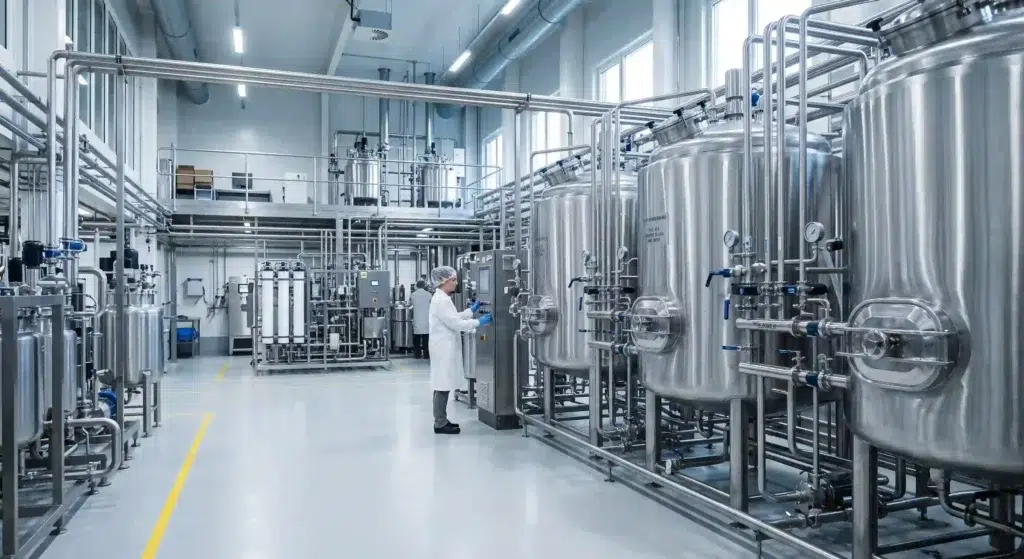
Now the protein needs to be extracted. The clean tissues go into large stainless-steel tanks with hot water. The heat melts the tough structure down into a liquid gelatin. But if you just dried this gelatin, it would clump up into a thick gel the second someone tried to mix it in a shaker cup.
So, how do they make beef protein isolate easy to mix and fast-acting? They use natural enzymes. These enzymes act like microscopic scissors. They are added to the hot liquid, where they quickly snip the long, heavy protein chains into very tiny pieces called peptides.
If you are wondering how is beef isolate protein made to absorb so quickly into the body, it all comes down to these enzymes. The goal is to chop the proteins down to a very low molecular weight. Small peptides are amazing because they dissolve instantly in cold water and are absorbed by the human stomach incredibly fast. Once the enzymes have done their job, the liquid is hit with a quick blast of high heat to stop the cutting process and sterilize the batch.
Micro-Filtration and Cleaning
At this point, the factory has a liquid full of tiny protein peptides, but it still has some trace fats and natural salts. To be called an “isolate,” the final powder needs to be over 90% pure protein.
This is where we answer the question: exactly how is beef isolate protein made to taste completely neutral? The liquid is pushed through high-tech ultrafiltration membranes. These filters act like microscopic sieves. The holes are so small that only water and salty compounds can slip through. The valuable protein gets trapped.
As the protein is trapped, fresh water is constantly sprayed over it. This literally washes away the natural fats, salts, and any compounds that taste like meat. You are left with a completely pure, flavorless protein liquid.
Drying into a Fine Powder
The last step in how is beef protein isolate made is turning that clean liquid into a dry powder without burning the nutrients. This is done using a spray dryer.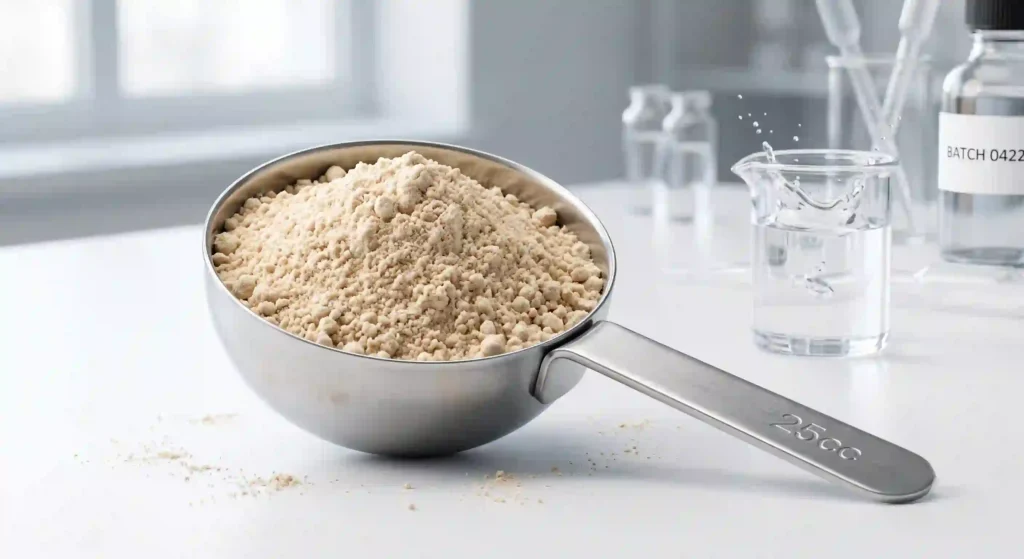
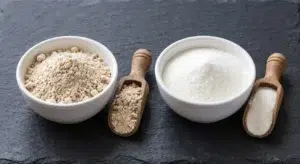
The liquid is sprayed as a fine mist into a tall tower filled with hot air. The droplets are so tiny that the water evaporates in a fraction of a second, and perfectly dry protein powder falls to the bottom. Finally, a tiny dash of sunflower lecithin (less than 1%) is often added. This prevents the powder from being too dusty and ensures it mixes smoothly into water without clumping.
Breaking Down the Amino Acid Profile
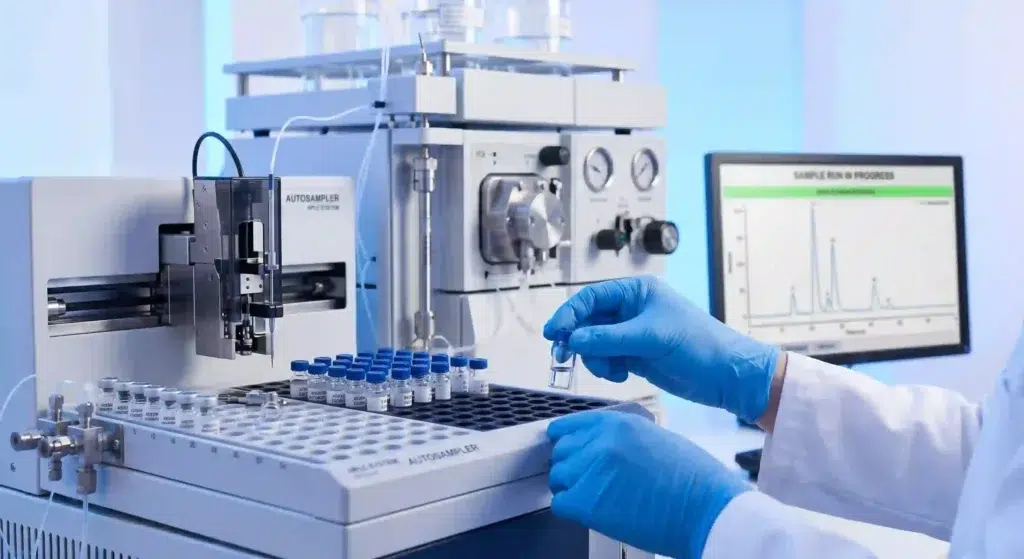
When the powder is finished, it goes to the lab for testing. Because it comes from connective tissue, the beef protein isolate amino acid profile looks very different from dairy proteins like whey.
While whey is great for quick muscle energy, beef protein is uniquely built to repair the body’s structural framework. Understanding these structural amino acids reveals the true beef protein isolate benefits for everyday consumers. A closer look at the beef protein isolate amino acid profile reveals very high levels of three key components:
- Glycine: Essential for your body to produce its own collagen, supporting joint health and a healthy nervous system.
- Proline: The main building block used to repair damaged cartilage, tendons, and ligaments after heavy exercise.
- Hydroxyproline: Found almost exclusively in collagen sources, this amino acid is famous for promoting skin elasticity and tissue stability.
Clean Labels and Nutrition Facts
Because the factory filtration process is so thorough, the final beef protein isolate nutrition facts are incredibly clean. A standard 30-gram scoop of a premium isolate provides roughly 28.5 grams of protein.
More importantly, it contains zero sugar, zero carbohydrates, and nearly zero fat. This makes it a perfect fit for Keto, Paleo, and Carnivore diets. Examining the beef protein isolate nutrition profile also proves it is naturally hypoallergenic. It contains no lactose, dairy, soy, or gluten, making it the perfect gut-friendly option for people who experience bloating from traditional milk-based powders.
How It Works in Finished Products
Beyond being a great standalone powder, the tiny size of these peptides makes them incredibly versatile for creating new products.
- Clear Protein Drinks: Unlike dairy, which gets cloudy and clumps in acidic fruit flavors, beef isolate stays perfectly clear and dissolved, making it ideal for refreshing protein waters.
- Softer Protein Bars: Standard protein bars can turn as hard as a brick after a few months on the shelf. Beef isolate naturally holds onto moisture, keeping nutrition bars soft and chewy for a much longer time.
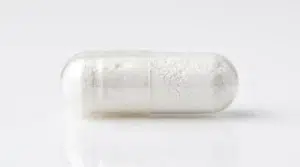
- Encapsulation: The dry, stable, and highly flowable nature of the powder makes it perfect for dietary supplements. If you are developing pill formats, following a grass-fed beef protein isolate capsule formulation guide ensures proper dosage and smooth machine operation without gumming up the equipment.
If you are ready to formulate your next product and need to source premium beef protein isolate in bulk, connect with the AT Nutra team to discuss specifications and pricing.