Quick Answer
- Type 2 collagen is the exclusive structural protein dedicated to cartilage health, making it the most targeted, precise ingredient for joint support formulas.
- Unlike general collagen powders, the most potent form—undenatured type 2 collagen—operates as an immune system modulator. It requires an exceptionally low microdose of exactly 40 mg/day.
- Hydrolyzed type 2 collagen peptides (taken at 5–10 g/day) serve a different purpose, providing the direct structural building blocks specifically needed for cartilage matrix repair.
- Beyond traditional osteoarthritis applications, type 2 collagen is emerging as a disruptive ingredient in the sports nutrition market to combat exercise-induced joint stress.
- For Formulators: Choosing raw type 2 collagen allows brands to transition from generic “beauty and joint” products to highly specialized, clinically backed joint therapeutics.
Key Takeaways
- Targeted Location: Type 2 collagen makes up over 90% of the collagen network within articular cartilage. It is the absolute gold standard for joint-specific formulations.
- The Immune Mechanism: Undenatured type 2 collagen works via oral immune tolerance—essentially training the gut’s immune system to stop attacking endogenous (the body’s own) cartilage.
- Athletic Efficacy: Clinical trials demonstrate that a 40 mg daily dose significantly reduces joint discomfort and accelerates recovery in healthy adults engaging in strenuous, high-impact exercise.
- Manufacturing Crucials: You cannot expose undenatured type 2 collagen to high heat (like in gummy manufacturing), or it loses its active 3D triple-helix structure.
Introduction
While the general collagen market is booming, consumers and brands are getting smarter. They are realizing that throwing generic collagen at a specific joint problem is highly inefficient. If a consumer is asking, “What is type 2 collagen good for?“, they are looking for targeted, scientific solutions, not general beauty claims.
Type 2 collagen is the undisputed specialist of the joint category. However, formulating with it requires a deep understanding of its unique biochemistry. Whether you are extracting it via low-temperature milling to preserve its delicate immune-modulating properties, or hydrolyzing it into joint-specific peptides, this raw material behaves differently than any other protein on the market.
What Is Type 2 Collagen? The Cartilage Specialist
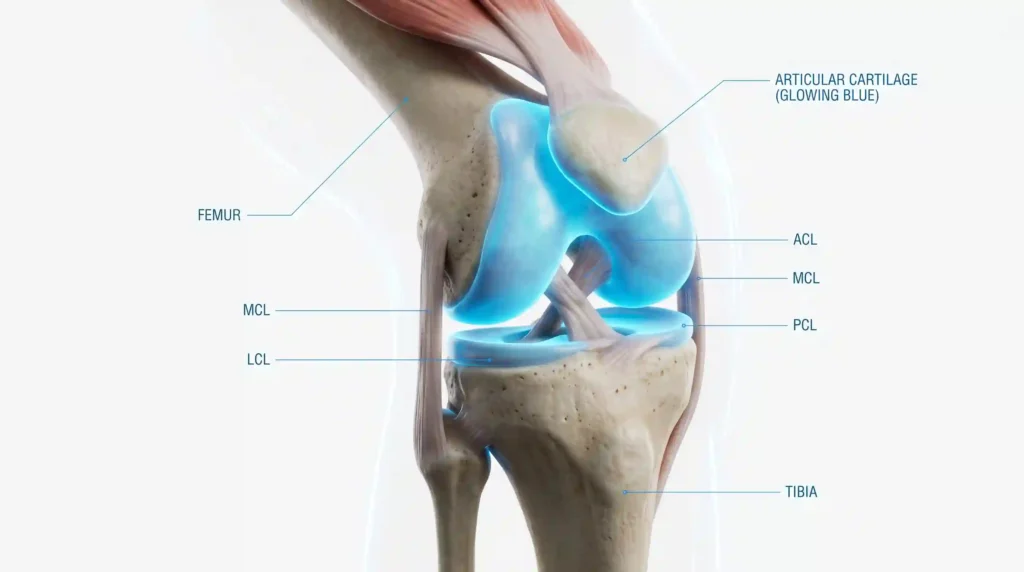
To fully grasp the type 2 collagen benefits, we must look at the physical architecture of a human joint.
Imagine your joint cartilage as a highly sophisticated sponge that absorbs the shock of your body weight every time you take a step. This “sponge” is held together by a microscopic, three-dimensional net. Type 2 collagen is the exact material that makes up that net. In a healthy adult, it accounts for over 90% of all the collagen found in articular cartilage.
Sourcing the Raw Material
Because it is so specialized, you cannot extract commercial type 2 collagen from standard cow hides or fish scales. The raw material supply chain must target specific animal tissues rich in pure cartilage. The industry gold standards are:
- Chicken Sternum Cartilage: The most widely researched and commercially viable source, known for its extremely high purity of Type II protein.
- Bovine Tracheal Cartilage: An alternative source, though slightly less common in modern branded ingredients.
The Two Distinct Processing Methods
The way a wholesale supplier processes this raw cartilage dictates exactly how it will function in the human body.
- Undenatured Type 2 Collagen: The cartilage is processed using a strict, low-temperature, non-enzymatic method. This ensures the protein’s original, molecular “triple-helix” structure remains completely intact.
- Hydrolyzed Type 2 Collagen: The cartilage is exposed to water and enzymes, breaking the protein down into tiny, highly soluble peptide fragments (usually around 2-5 kDa in molecular weight).
Why Type 2 Collagen Cannot Be Replaced by Generic Collagen
A critical mistake formulators make is attempting to build a dedicated joint health product using standard Type 1 or Type 3 collagen (the types found in skin and bones).
While general collagen peptides provide excellent amino acids that might indirectly support connective tissues, they lack the specific, intact 3D epitopes (molecular markers) found in undenatured type 2 collagen. Furthermore, the amino acid sequencing in type 2 cartilage is unique, featuring distinct glycosylated hydroxylysine structures that specifically interact with chondrocytes (the cells that build human cartilage).
Top Benefits of Type 2 Collagen (Backed by Research)
When analyzing the clinical data, the benefits of type 2 collagen are highly localized to the skeletal-muscular system.
1. Halts Cartilage Degradation in Osteoarthritis (OA)
The most profound undenatured type 2 collagen benefits lie in OA management. The aging body often mistakenly identifies cartilage wear-and-tear as an infection, sending an inflammatory immune response that actually breaks down the joint faster.
In a pivotal 2016 clinical study (Lugo et al.), researchers found that administering just 40 mg of undenatured type 2 collagen significantly reduced standard WOMAC pain and stiffness scores in OA patients. It actively intercepts the body’s inflammatory loop, typically providing a 30% to 40% improvement in daily joint comfort over 90 to 180 days.
2. Lowers CTX-II Biomarkers
How do we know it actually protects cartilage? Scientists measure a specific biomarker in the urine called CTX-II. High levels of CTX-II mean your cartilage is currently being destroyed. Clinical trials show that consistent supplementation with type 2 collagen actively lowers CTX-II levels, providing hard, measurable proof of structural joint preservation.
3. Enhances Mechanical Knee Extension
For older demographics, getting out of a chair becomes difficult due to lost range of motion. Studies utilizing Type 2 collagen extracts consistently demonstrate measurable improvements in the degree of knee extension. By reducing internal joint inflammation and restoring the structural matrix, the joint regains its natural mechanical fluidity.
Innovation: The Underrated Role of Type 2 Collagen in Sports Recovery
While the senior arthritis market is massive, the B2B sports nutrition sector represents a massive, untapped “blue ocean” for type 2 collagen.
The Problem with Current Sports Formulas
Today’s athletes and CrossFit enthusiasts consume massive amounts of whey protein to repair micro-tears in their muscle fibers. However, they are completely neglecting the micro-trauma occurring in their joint cartilage from heavy squats, repetitive running, and high-impact jumps.
The “Schauss” Athletic Joint Study
Is type 2 collagen for joints effective for healthy athletes? Yes. In a landmark 2012 study by Schauss et al., researchers tested undenatured type 2 collagen on healthy subjects with no history of arthritis. They subjected them to intense, joint-stressing exercise (like stepping on and off a high box repeatedly).
The findings were disruptive:
- The athletes taking 40 mg of undenatured type 2 collagen experienced significantly less post-exercise joint discomfort compared to the placebo group.
- They recovered their baseline joint mobility much faster.
- They were able to exercise longer before experiencing joint fatigue.
Formulating for the Athletic Market
For brands sourcing raw materials, this is a golden positioning opportunity.
- The Pitch: “Whey repairs your muscles. Type 2 Collagen repairs your joints. You need both to survive your next workout.”
- Formula Idea: A premium “Joint Armor” recovery capsule utilizing 40 mg of undenatured type 2 collagen, paired with anti-inflammatory botanical extracts like curcumin or boswellia. This targets the massive demographic of 30-to-50-year-old fitness enthusiasts who have the disposable income for premium recovery supplements but are starting to feel joint wear and tear.
Deep Dive: The Oral Immune Tolerance Mechanism
How does a tiny 40 mg dose of undenatured type 2 collagen achieve such powerful results? The answer is a fascinating biological process called Oral Immune Tolerance. It reads more like advanced immunology than basic nutrition.
Step 1: The Peyer’s Patches
When you swallow undenatured type 2 collagen, it travels down into your small intestine. Because it was extracted using low heat, its 3D “triple-helix” structure is perfectly intact. In your gut, there are specialized immune monitoring stations called Peyer’s Patches.
Step 2: Immune Recognition
The Peyer’s patches act like security guards. They inspect the intact type 2 collagen. Because it looks exactly like the body’s own joint cartilage, the gut recognizes it as a safe, natural, and harmless substance.
Step 3: Deployment of Treg Cells
Upon recognizing the collagen as “safe,” the Peyer’s patches release specialized immune cells called Regulatory T-Cells (Tregs). These Tregs act as peacekeepers.
Step 4: Silencing the Joint Attack
These Treg cells migrate through the bloodstream straight to the knee, hip, and shoulder joints. Once there, they release powerful anti-inflammatory cytokines (like IL-10 and TGF-beta). These cytokines literally instruct the local immune system to stop attacking the joint cartilage.
The Analogy: Think of it like allergy desensitization. By exposing the gut to a tiny, intact dose of the specific allergen (in this case, cartilage protein), you train the immune system to tolerate it rather than destroy it. This is why what is type 2 collagen good for is best answered by its ability to modulate the immune system, not just supply amino acids.
Type 2 Collagen Dosage & Manufacturing Constraints
Because the mechanisms are so specific, formulators must adhere strictly to clinical guidelines.
The Dosing Paradox: Why More Is Not Better
- Undenatured Type II: The absolute correct dose is 40 mg per day. Do not attempt to increase this to 100 mg or 500 mg. Overloading the Peyer’s patches with too much intact protein causes the oral immune tolerance mechanism to fail. More is actually worse.
- Hydrolyzed Type II Peptides: Because these are broken down into amino acids to physically rebuild the joint (rather than trigger an immune response), you need a much higher volume. The standard therapeutic dose is 5 to 10 grams per day.
Critical Manufacturing Constraints (For B2B Buyers)
If you are procuring raw type 2 collagen for your brand, you must match the ingredient to your manufacturing process:
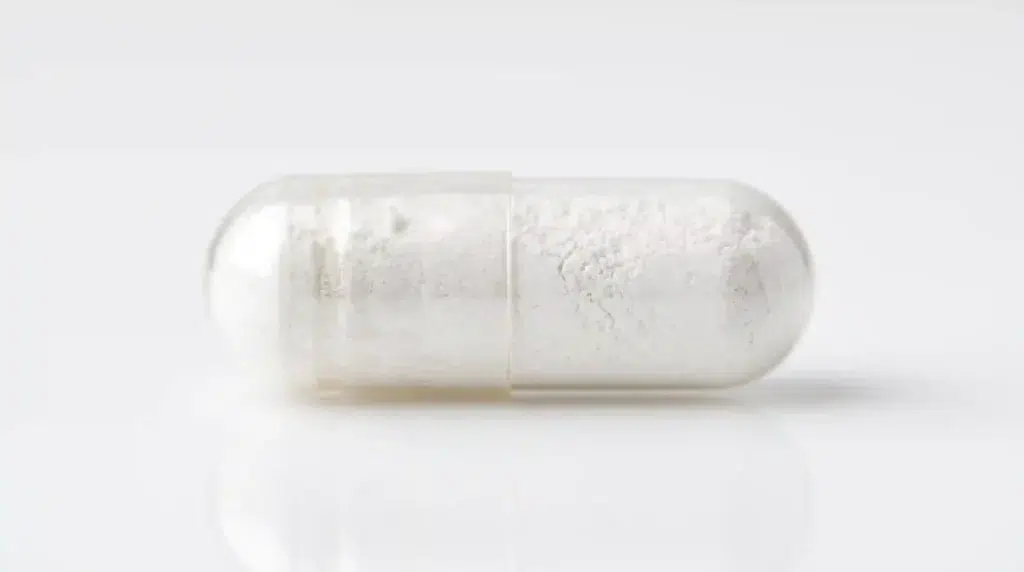
- Capsules and Tablets: Ideal for the 40 mg undenatured form. The process is low-heat and preserves the triple-helix.
- Drink Powders: Ideal for the 5-10 g hydrolyzed form, which is highly soluble and heat-stable.
- Gummies: Warning! You cannot easily use undenatured type 2 collagen in standard gummy manufacturing. The high heat required to melt the pectin or gelatin will physically destroy the triple-helix structure of the undenatured collagen, rendering it completely useless. If you are making a gummy, you must use heat-stable hydrolyzed peptides.
Safety, Sourcing, and Quality Control
Type 2 collagen boasts an exceptional safety profile. Clinical trials tracking patients for up to 180 days show no severe adverse events. Side effects are incredibly rare and limited to very mild, transient gastrointestinal upset.
Sourcing Checklist for Procurement Teams
When sourcing wholesale type 2 collagen raw materials, ensure your supplier provides the following:
- Allergen Disclosures: Must clearly state poultry origin (for chicken sternum derivatives).
- Assay Validations: For undenatured forms, the supplier must provide an ELISA test proving the presence of active, undestroyed triple-helix epitopes. Without this, you are just buying expensive, ruined protein.
- Heavy Metal COAs: Standard third-party verifications for lead, arsenic, cadmium, and mercury to ensure GRAS (Generally Recognized As Safe) compliance.
Bottom Line: Upgrading Your Joint Formula
The joint supplement market is evolving rapidly. Consumers are moving away from massive, six-capsule-a-day glucosamine regimens and migrating toward modern, targeted, clinically backed interventions.
Type 2 collagen benefits offer the ultimate solution for this demand. Whether utilizing the immune-modulating power of the undenatured form for a premium capsule line, or the structural support of the hydrolyzed form for a sports recovery powder, it remains the most sophisticated raw material available for joint health.
Ready to source premium, verified Type 2 Collagen for your next product line?
Contact our wholesale raw materials division to request complete COAs, clinical evidence dossiers, and formulation samples to ensure your next joint product dominates the market.