If you’re trying to choose between beef protein isolate and whey protein for your supplement brand, the honest answer is this: beef protein isolate is the better choice if you want a dairy-free, lactose-free, allergen-friendly option that still delivers a complete amino acid profile. Whey protein is the better choice if your top priorities are lowest possible cost, mild taste, and maximum leucine content per serving. The decision between beef protein isolate and whey protein comes down to your target customer and your product positioning. 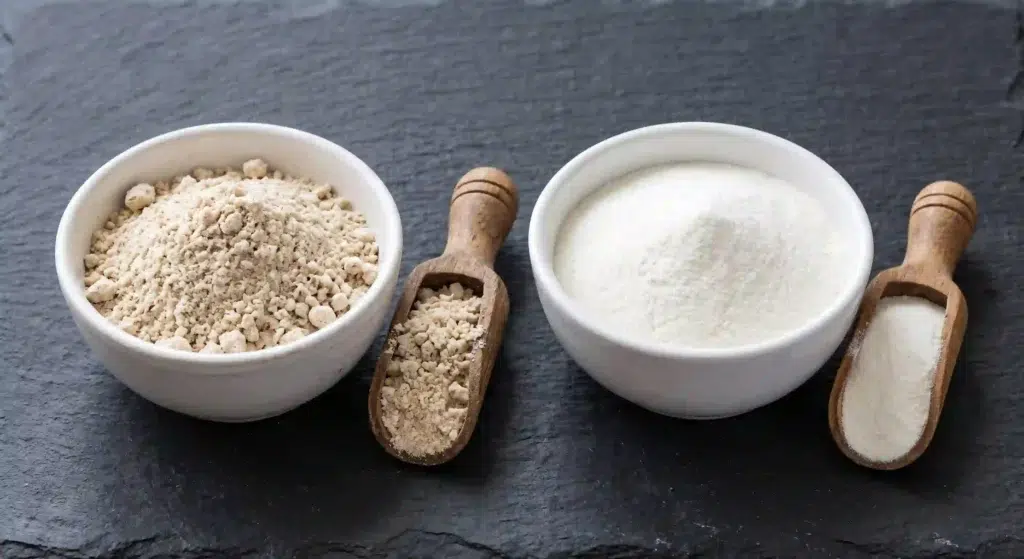
Before we go deeper, it helps to understand what beef protein isolate actually offers compared to other proteins. You can read our benefits of beef protein isolate guide for a full breakdown of its nutritional value and who it works best for. That article covers the health and performance benefits of beef protein isolate in detail, so here we’ll focus specifically on how beef protein isolate stacks up against whey protein from a formulator’s perspective.
This comparison will look at nutrition, allergens, cost, supply chain stability, taste, solubility, and how beef protein isolate and whey protein each behave in different product formats. By the end, you’ll have a clear framework for deciding which protein belongs in your product line.
Nutritional Comparison: Beef Protein Isolate vs Whey Protein
Both beef protein isolate and whey protein isolate are high-protein ingredients. Beef protein isolate typically contains 90% protein or more by dry weight. Whey protein isolate also reaches 90% or higher. If you look only at the protein percentage on a spec sheet, beef protein isolate and whey protein look nearly identical. But the differences show up when you examine the amino acid profile and what else is left in the powder.
Amino Acid Profile
Whey protein is famous for being rich in branched-chain amino acids, especially leucine. Leucine is the amino acid most directly responsible for triggering muscle protein synthesis. A 25-gram serving of whey protein isolate delivers roughly 2.5 to 3 grams of leucine, which is enough to maximize the muscle-building response in most adults.
Beef protein isolate has a different amino acid balance. It contains all nine essential amino acids, so beef protein isolate is still a complete protein. However, the leucine content of beef protein isolate is lower than whey, typically around 1.5 to 2 grams per 25-gram serving depending on the manufacturing process. Where beef protein isolate shines is in its glycine and proline content. These two amino acids are abundant in collagen-rich tissues like skin, bones, and connective tissue. Glycine and proline support joint health, skin elasticity, and connective tissue repair. Whey protein contains much smaller amounts of these amino acids.
For a product aimed at general fitness consumers, the higher leucine in whey protein gives it an edge for pure muscle building. For a product aimed at active aging consumers, joint-conscious athletes, or people who want broader tissue support, the glycine and proline in beef protein isolate become a selling point.
| Nutrient (per 100g) | Beef Protein Isolate | Whey Protein Isolate |
|---|---|---|
| Protein | 90–95 g | 90–94 g |
| Fat | 0–1 g | 0–1 g |
| Carbohydrates | 0–2 g | 1–3 g |
| Lactose | 0 g | 0.1–1 g |
| Leucine | ~7–8 g | ~10–12 g |
| Glycine | ~20–25 g | ~1–2 g |
| Proline | ~10–15 g | ~4–6 g |
The table shows why the choice between beef protein isolate and whey protein is not simply “which has more protein.” The amino acid distribution changes what beef protein isolate or whey protein does in the body and what benefits you can claim on your label.
Purity and Processing
Both beef protein isolate and whey protein are highly processed ingredients. Whey protein isolate goes through microfiltration and ion exchange to remove fat, lactose, and minerals. Beef protein isolate goes through hydrolysis or enzymatic processing to break down beef tissue into isolated proteins and peptides. The final powders of beef protein isolate and whey protein are both light-colored, relatively neutral in odor, and easy to store.
The key purity difference is that beef protein isolate is naturally lactose-free from the start. Whey protein isolate has most lactose removed, but trace amounts can remain. For consumers with severe lactose intolerance or dairy allergies, that trace amount in whey protein matters.
Allergen and Digestibility Considerations
The most common reason formulators switch from whey protein to beef protein isolate is allergen avoidance. Dairy proteins are among the top eight food allergens globally. Lactose intolerance affects an estimated 65% of the world’s population, though the prevalence varies widely by region. Milk protein allergy is less common but more serious. Both conditions make whey protein unsuitable for a significant portion of consumers.
Lactose Intolerance vs Milk Protein Allergy
Lactose intolerance happens when the body does not produce enough lactase, the enzyme that breaks down lactose in the small intestine. Undigested lactose from whey protein travels to the colon, where bacteria ferment it, causing gas, bloating, cramping, and diarrhea. The symptoms are uncomfortable but not life-threatening.
Milk protein allergy is an immune response to casein or whey proteins. Symptoms can include hives, swelling, vomiting, and in severe cases, anaphylaxis. People with a milk protein allergy must avoid all dairy-derived ingredients completely, including whey protein isolate.
Beef protein isolate avoids both problems. It comes from bovine muscle tissue, not milk, so beef protein isolate contains no lactose and no dairy proteins. For a consumer with lactose intolerance, a dairy-free protein powder made from beef protein isolate eliminates the digestive discomfort. For a consumer with milk protein allergy, beef protein isolate provides a safe alternative that still delivers animal-based protein without any whey protein.
Digestibility of Beef Protein Isolate
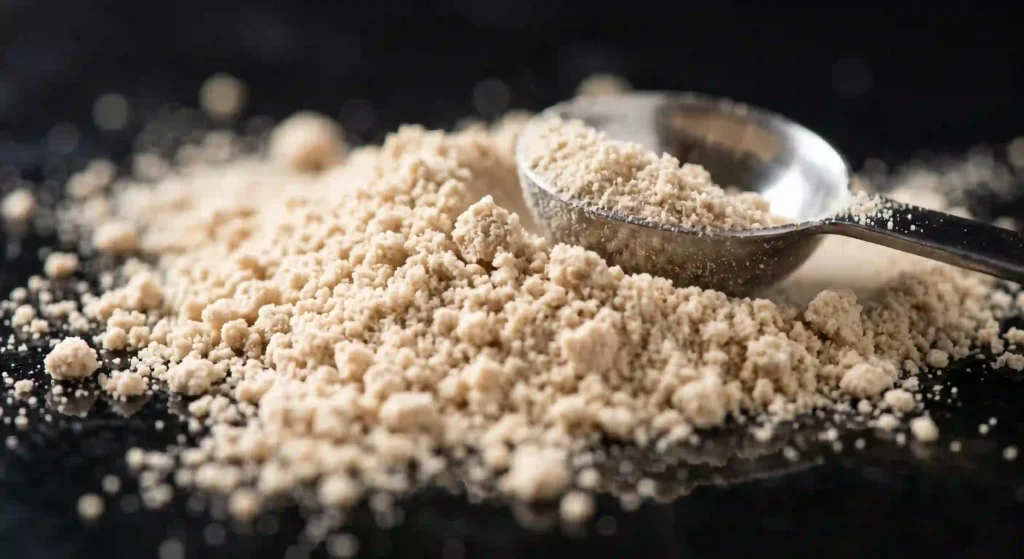
The digestibility of beef protein isolate is generally excellent. Because beef protein isolate is hydrolyzed into smaller peptides, it is absorbed quickly and does not require the same digestive effort as intact meat. Most people tolerate beef protein isolate well, with no bloating or stomach upset. The absence of lactose in beef protein isolate is a major factor here. Many consumers who switch from whey protein to beef protein isolate report that their post-shake stomach issues disappear entirely.
Whey protein has a high biological value and is also easy to digest for people who are not lactose intolerant. But for the millions of consumers who are, whey protein isolate’s trace lactose is still enough to cause symptoms. If you want to formulate a product that the broadest possible audience can use, beef protein isolate is the safer choice compared to whey protein.
Cost and Supply Chain Factors
Raw material cost is a major factor in any formulation decision. Whey protein has a significant advantage here. Whey protein is a byproduct of cheese production. Every pound of cheese generates several pounds of liquid whey, which used to be discarded. The dairy industry has turned this waste stream into a profitable product, which means whey protein is abundant, cheap, and globally available.
Beef protein isolate is more expensive. It requires dedicated processing lines that take beef tissue and isolate the protein fraction. The raw material supply for beef protein isolate is tied to the beef industry, but the isolation process is more complex than whey protein filtration. As a result, beef protein isolate typically costs 30% to 80% more per kilogram than whey protein isolate, depending on market conditions, certification requirements, and order volume.
Why the Higher Cost of Beef Protein Isolate Can Be Justified
Even though beef protein isolate costs more per unit, it can still be the right choice for your product line. Here’s why:
- Differentiation. The supplement market is saturated with whey protein products. A beef protein isolate product stands out on the shelf. It gives consumers a reason to choose your brand over dozens of near-identical whey protein products.
- Premium positioning. Dairy-free, lactose-free, and paleo-friendly claims support a higher retail price for beef protein isolate. Consumers who need these attributes are often willing to pay more. The extra raw material cost of beef protein isolate gets absorbed into a higher price point.
- Clean label appeal. Beef protein isolate can be marketed as a single-ingredient protein with no dairy, no soy, no gluten, and no artificial additives if you choose the right supplier. Whey protein can also be clean label, but the dairy allergen statement on whey protein is unavoidable.
If you’re planning to purchase beef protein isolate in bulk, we have detailed specifications and ordering information on our beef protein isolate product page. Whether you need standard beef protein isolate powder or custom hydrolysis levels, you can compare our available grades there.
Supply Chain Stability
Whey protein prices are linked to the global dairy market, which is influenced by weather, feed costs, and international trade policies. Beef protein isolate prices are linked to the beef processing industry, which has its own supply dynamics. Both beef protein isolate and whey protein markets experience price fluctuations, but dairy tends to be more volatile because cheese production drives whey protein supply.
Beef protein isolate supply is smaller in absolute terms but growing steadily as more brands adopt it. When sourcing beef protein isolate, look for suppliers who can provide certificates of analysis, heavy metal testing, and consistent protein content. A reliable supplier relationship matters more than chasing the lowest spot price for beef protein isolate or whey protein.
Formulation Challenges: Taste, Texture, and Solubility
This is where whey protein has a clear advantage, and where beef protein isolate requires more formulation skill.
Taste
Whey protein has a mild, slightly milky taste that is easy to mask with almost any flavor. Vanilla, chocolate, strawberry, fruit punch — whey protein blends well with all of them because its baseline flavor is neutral.
Beef protein isolate has a faint savory or meaty note. The degree of this flavor in beef protein isolate depends on the hydrolysis level and the specific manufacturing process. Some beef protein isolate powders are almost flavorless after processing, while others retain a detectable beefy or brothy background. In an unflavored application, this can be a problem for beef protein isolate. In a flavored protein powder, strong flavors like chocolate, peanut butter, or coffee can cover the note in beef protein isolate effectively.
For brands, this means you need to invest more in flavor development when using beef protein isolate. Masking agents, natural flavors, and sweeteners become more important for beef protein isolate than for whey protein. A poorly flavored beef protein isolate product will fail in the market no matter how good the nutrition profile is. A well-flavored beef protein isolate can win loyal customers who cannot use dairy or whey protein.
Texture and Mouthfeel
Whey protein mixes easily in water or milk and produces a smooth, creamy shake. Some whey protein products can be slightly foamy, but overall the mouthfeel is pleasant.

Beef protein isolate is more challenging. Depending on the particle size and hydrolysis degree, beef protein isolate can feel slightly gritty or thin. In water, beef protein isolate does not provide the same creamy body as whey protein. Formulators often blend beef protein isolate with a small amount of another protein, such as collagen or plant protein, to improve texture. Adding a tiny amount of sunflower lecithin or a natural gum can also create a smoother mouthfeel for beef protein isolate.
Solubility
Whey protein isolate dissolves quickly, even in cold water. It is one of the most soluble proteins available. Beef protein isolate dissolves well too, especially hydrolyzed beef protein isolate, but may require slightly more mixing time than whey protein. In ready-to-drink beverages, both beef protein isolate and whey protein can be used successfully with proper processing. Beef protein isolate is generally stable across a range of pH levels, making beef protein isolate suitable for RTD formats, protein bars, and even some baked applications.
If you are developing a capsule product, solubility matters less, but capsule fill weight becomes important. Beef protein isolate has a lower bulk density than some other proteins, which can affect how much beef protein isolate fits in each capsule. We cover these formulation details in our grass-fed beef protein isolate capsule formulation guide, including fill weight calculations and flowability tips for beef protein isolate.
Product Format Performance Comparison
| Product Format | Beef Protein Isolate | Whey Protein Isolate |
|---|---|---|
| Protein powder (shake) | Good solubility; slight savory note needs masking | Excellent solubility; neutral taste, easy to flavor |
| Protein bar | Firm texture; low water activity helps shelf life | Soft texture; can become sticky over time |
| Ready-to-drink (RTD) | Stable across pH range; mild heat stability | Very stable; may require stabilizers at low pH |
| Capsules | Lower bulk density; may need larger capsules | High flowability; fills standard capsules easily |
| Baked goods | Retains structure; savory note can work in savory snacks | Can denature at high heat; better in no-bake applications |
This table shows why formulators often choose different proteins for different product lines. Whey protein dominates the shake market because of its neutral taste. Beef protein isolate finds a strong position in bars, RTDs, and savory snack formulations where the texture and stability of beef protein isolate become advantages over whey protein.

Masking Techniques for Beef Protein Isolate
To work successfully with beef protein isolate, follow these practical tips:
- Use strong, dark flavors. Chocolate, mocha, peanut butter, and cinnamon mask savory notes in beef protein isolate better than vanilla or fruit flavors.
- Add a small amount of natural sweetener. Stevia, monk fruit, or sucralose can shift the palate away from the savory background of beef protein isolate.
- Blend with other proteins. A 70/30 blend of beef protein isolate and pea protein or collagen can improve texture and reduce the meaty note of beef protein isolate.
- Test different hydrolysis levels. Lower hydrolysis often means less savory flavor in beef protein isolate, but also slower absorption. Find the balance for your beef protein isolate product.
- Work with your flavor supplier. Flavor houses have masking agents designed specifically for protein powders, including beef protein isolate. Ask for samples matched to beef protein isolate.
These challenges are not reasons to avoid beef protein isolate. They simply mean you need to put more thought into flavor and texture with beef protein isolate than you would with whey protein. The payoff is a differentiated beef protein isolate product with a strong story.
Which Protein Should You Choose for Your Brand?
There is no universal “better” protein between beef protein isolate and whey protein. There is only the right protein for your specific product and market. Here is a practical decision framework.
Choose Whey Protein If:
- Your target customer is a competitive athlete or bodybuilder who wants maximum leucine per serving.
- Your brand competes primarily on price and you need the lowest possible cost per gram of protein that whey protein offers.
- You want the easiest formulation path with minimal flavor masking required, which whey protein provides.
- Your product line already revolves around dairy-based ingredients and allergen statements on whey protein are not a concern.
- You need a protein with a long track record of clinical research specifically on muscle growth, which whey protein has.
Choose Beef Protein Isolate If:
- Your target customer is lactose intolerant, dairy-free, paleo, or follows an ancestral diet.
- You want to differentiate your brand in a crowded whey protein-dominated market.
- You are building a clean label product with no dairy allergens, which beef protein isolate allows.
- Your customer base includes active aging adults who value joint and connective tissue support alongside muscle maintenance.
- You are willing to invest in flavor development to create a beef protein isolate product that stands out.
A Hybrid Approach
Many brands choose to use both beef protein isolate and whey protein. A product line might include a whey protein product for the mass-market athlete and a beef protein isolate product for the dairy-free segment. This allows you to serve two distinct customer groups without cannibalizing your own sales. The beef protein isolate product and the whey protein product complement each other on the shelf.
If you decide to go this route, the formulation teams should treat beef protein isolate and whey protein separately. The flavor systems, texture modifiers, and marketing stories for beef protein isolate will be different from those for whey protein. The beef protein isolate product can be positioned as premium and specialized; the whey protein product can be positioned as the everyday workhorse.
Quick Decision Summary
| Decision Factor | Choose Whey Protein Isolate | Choose Beef Protein Isolate |
|---|---|---|
| Target customer | Mainstream athletes, bodybuilders | Lactose-intolerant, paleo, dairy-free consumers |
| Product positioning | Everyday, cost-effective | Premium, differentiated, clean label |
| Flavor development budget | Minimal | Moderate to high (masking needed) |
| Raw material cost | Lower | Higher (30–80% more) |
| Allergen statement | Contains milk | No dairy allergens |
| Key selling point | Maximum leucine, muscle building | Dairy-free, joint support, unique story |
| Competitive landscape | Crowded market | Less competition, easier to stand out |
Use this table as a quick reference when presenting options to your team or clients. It distills the core trade-offs between beef protein isolate and whey protein into one glance.
Conclusion
The choice between beef protein isolate and whey protein is not about which is objectively better. It is about which protein—beef protein isolate or whey protein—aligns with your brand’s target market, product positioning, and formulation capability. Whey protein wins on cost, neutral flavor, and maximum leucine. Beef protein isolate wins in allergen avoidance, clean-label positioning, and differentiation in a crowded whey protein market.
If you are building a product for mainstream athletes who tolerate dairy, whey protein is the safe choice. If you are building a product for dairy-free consumers, paleo dieters, or anyone who wants an alternative to the sea of whey protein products, beef protein isolate gives you a genuine competitive edge.
The best decision is the one that matches your customer’s needs, not the one that follows what everyone else is doing. Look at your market, understand what they cannot find on the shelf today, and build that product with either beef protein isolate or whey protein.