Sourcing the right protein raw material dictates the success of any sports nutrition or functional food line. A poor choice leads to bad taste, clogged manufacturing equipment, or failed quality control tests. As the industry shifts away from dairy allergens, facilities require high-quality, scalable alternatives. Atnutra provides a complete, dairy-free, and highly soluble solution derived directly from real beef muscle. 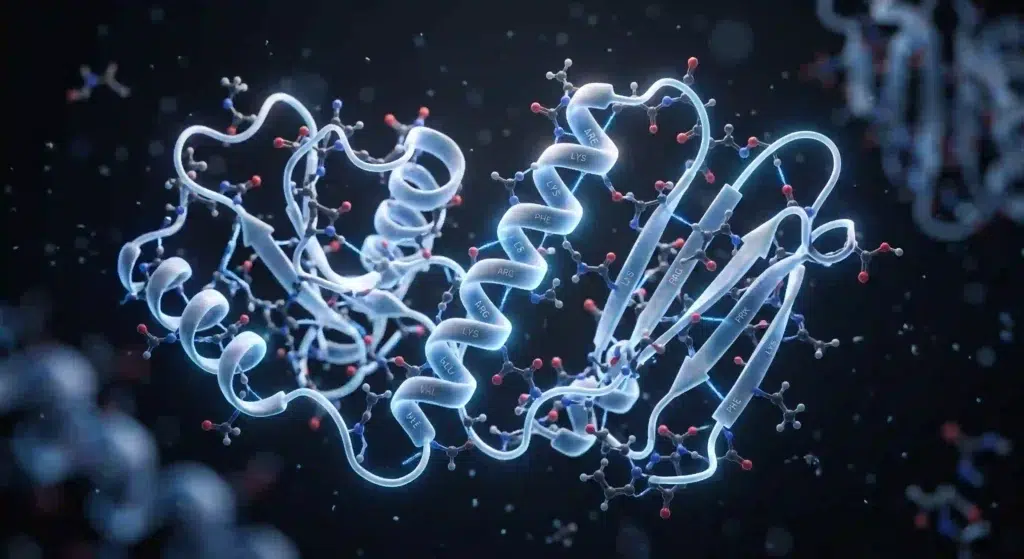
This technical resource provides the exact manufacturing data required for large-scale production. It covers chemical profiles, strict factory formulation rules, laboratory testing standards, and global supply chain logistics to ensure safe and efficient integration of Atnutra’s hydrolyzed beef protein isolate into your facility.
Section 1: The Biochemistry of Beef Peptides
Understanding Enzymatic Hydrolysis
Raw beef protein molecules are inherently large and complex. If dried in their natural state, they do not mix well in water and take hours for the human stomach to digest. To solve this, facilities utilize a clean-label process called enzymatic hydrolysis.
Inside Atnutra’s controlled stainless-steel reactors, raw beef protein is mixed with water and specific food-grade proteases. These natural enzymes act like biological scissors, cutting the long protein chains into much shorter fragments called peptides. For a complete walkthrough of this manufacturing stage, review our detailed guide on how beef protein isolate is made.
Molecular Weight and Daltons (Da)
In the wholesale raw materials market, peptide size is measured in Daltons (Da). A standard whey protein concentrate often measures between 15,000 and 20,000 Daltons. In contrast, Atnutra’s premium hydrolyzed beef protein isolate is reduced to an average weight of 2,000 to 3,000 Daltons. Some specialized batches reach below 1,000 Daltons.
This low molecular weight is critical for product performance. It allows the powder to dissolve instantly in cold water. Furthermore, the pre-digested nature of the peptides ensures they enter the bloodstream rapidly without causing gastrointestinal distress—a primary requirement for athletic recovery formulas.
Muscle Meat vs. Connective Tissue
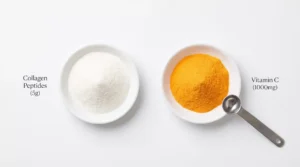
Procurement teams must clearly define the source material. Many low-cost options labeled as bulk beef protein are actually collagen peptides. Collagen is extracted from boiled cow hides, bones, and ligaments. While beneficial for joint health, collagen lacks a complete amino acid profile and is inadequate for muscle-building applications.
Authentic hydrolyzed beef protein isolate is extracted strictly from skeletal muscle tissue. Muscle meat naturally contains all nine essential amino acids. When formulating a sports supplement, verifying a muscle-derived source is mandatory. This is exactly the standard Atnutra guarantees for every batch. For a deeper dive into these raw material differences, see our technical breakdown of beef protein isolate vs bone broth protein.
Section 2: Complete Nutritional and Amino Acid Profile
Reviewing a Certificate of Analysis (COA) requires analyzing the specific biochemical data. Hydrolyzed beef protein isolate offers unique nutritional compounds that plant and dairy proteins lack.
Essential Amino Acid (EAA) Structure
Human muscle synthesis relies on Essential Amino Acids (EAAs), particularly the Branched-Chain Amino Acids (BCAAs): Leucine, Isoleucine, and Valine.
- Leucine: The primary trigger for muscle protein synthesis. Atnutra’s hydrolyzed beef protein isolate contains dense concentrations of Leucine.
- Arginine: Found in high levels in beef, this amino acid promotes vasodilation, improving blood flow during physical exertion.
- Glycine and Proline: Present in moderate amounts, these support joint and connective tissue recovery post-training.
Naturally Occurring Bioactive Compounds
Plant proteins require synthetic fortification to match the bioactive profile of animal proteins. Hydrolyzed beef protein isolate naturally retains several performance-enhancing compounds through the hydrolysis process. To explore these nutritional specifications further, read our comprehensive overview of beef protein isolate benefits.
- Creatine: Beef serves as the most abundant natural source of creatine, which supports explosive muscular energy (ATP production).
- Heme Iron: Unlike the non-heme iron found in plants, the heme iron in beef is highly bioavailable, aiding in oxygen transport and fatigue reduction.
- L-Carnitine: Facilitates the transport of fatty acids into the mitochondria for energy metabolism.
Data Comparison: Bulk Protein Sources
| Technical Specification | Atnutra Hydrolyzed Beef Protein Isolate | Whey Protein Isolate | Pea Protein Isolate | Collagen Peptides |
|---|---|---|---|---|
| Raw Material Origin | Beef Muscle Tissue | Cow’s Milk (Dairy) | Yellow Field Peas | Bovine Hides / Bones |
| Protein Purity (Dry Basis) | 97% – 99% | 90% – 92% | 80% – 85% | 90% – 95% |
| Lactose / Dairy Free? | Yes (100% Free) | No (Contains traces) | Yes | Yes |
| Complete Amino Profile? | Yes | Yes | No (Low in Methionine) | No (Missing Tryptophan) |
| Solubility Quality | Crystal Clear | Milky / Cloudy | Thick / Suspended | Clear |
Section 3: Advanced Formulation and Factory Applications
Integrating hydrolyzed beef protein isolate into existing production lines requires specific protocol adjustments. The powder behaves differently than whey or soy formulations.
1. Clear RTD (Ready-to-Drink) Beverages
Clear protein waters require raw materials that maintain stability in acidic liquids. Because the peptide chains are small, Atnutra’s hydrolyzed beef protein isolate excels in this category.
- Turbidity (NTU): Our premium isolate yields a very low NTU rating, resulting in a transparent, juice-like appearance.
- pH Stability: Formulations often use citric or malic acid, dropping the pH to 3.0. Beef peptides remain completely stable and soluble at high acidity levels.
- Thermal Processing: Standard whey proteins often gel during Ultra-High Temperature (UHT) pasteurization. Because beef peptides are already denatured, they withstand UHT heating without viscosity changes.
2. High-Protein Snack Bars
Preventing “bar hardening” is a major formulation challenge. Standard dairy proteins bind water aggressively, causing the bar to dry out and harden over several months.

The low molecular weight of hydrolyzed beef protein isolate alters its water-binding capacity. By replacing 30% to 50% of a dairy protein base with beef peptides, the final protein bar maintains a soft, chewy texture, effectively extending the retail shelf life by several months.
3. Powdered Shake Mixes
When packaging into standard high-density polyethylene (HDPE) tubs, flowability and flavor systems must be optimized.
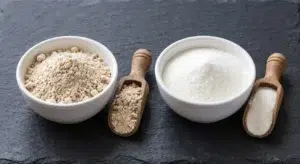
- Bulk Density: Beef isolate is typically a very fine powder. Quality control teams must measure the tapped and untapped bulk density to ensure accurate jar fill weights.
- Flavor Systems: The baseline flavor is mildly savory. Mild flavors like vanilla are ineffective. Strong masking flavors—such as dark chocolate, mocha, pineapple, or fruit punch—successfully neutralize the savory notes. A trace amount of sodium also helps balance the profile.
4. Capsule and Tablet Production
Encapsulating hydrolyzed beef protein isolate requires strict environmental controls on the factory floor. Our engineering team provides an extensive grass-fed beef protein isolate capsule formulation guide for facilities requiring detailed machine parameters.
- Hygroscopicity: The powder absorbs ambient moisture rapidly. Encapsulation rooms must maintain a relative humidity below 30% to prevent the powder from becoming sticky and jamming high-speed dosators.
- Excipients: Blending with 1% to 2% flow agents, such as magnesium stearate or silicon dioxide, is mandatory to ensure smooth machine operation.
Section 4: Quality Control (QA/QC) and Lab Testing Standards
Procurement teams must demand rigorous documentation to guarantee material safety. Every batch of beef protein isolate wholesale supplied by Atnutra passes the following laboratory standards.
Heavy Metal Limits (Prop 65 Compliance)
To comply with regulations like California’s Proposition 65, the COA must verify third-party testing for four heavy metals:
- Lead (Pb): Must test strictly below 0.5 mcg per daily serving.
- Arsenic (As): Must fall within standard safe food limits.
- Cadmium (Cd): Must be tested and verified low.
- Mercury (Hg): Must be non-detectable or strictly below regulatory limits.
Microbiological and Pathogen Safety
Although enzymatic hydrolysis and high-heat spray-drying eliminate pathogens, batch testing remains critical. The laboratory report must confirm:
- Total Plate Count (TPC): Less than 10,000 cfu/g.
- Yeast and Mold: Less than 100 cfu/g.
- Salmonella: Negative/Absent in a 25g sample.
- E. Coli: Negative/Absent in a 10g sample.
Detecting Amino Acid Adulteration (Spiking)
A common industry risk involves factories adding cheap amino acids, like Glycine or Taurine, to inflate total nitrogen scores. A standard protein test will falsely show a 90% yield.

To prevent this, QA managers must request a Typical Amino Acid Profile test. This breakdown details the exact grams of Leucine, Valine, and other EAAs. If Leucine is disproportionately low and Glycine is artificially high, the material is likely cut with collagen or free-form amino acids. Reliable manufacturers like Atnutra supply this profile by default.
Section 5: Global Supply Chain and Wholesale Sourcing
Managing the supply chain for bulk raw materials requires strategic planning to control freight costs and production timelines.
Identifying Direct Manufacturers
Purchasing directly from a manufacturing facility like Atnutra reduces costs compared to buying through trading companies. Verify a supplier’s capabilities by asking about custom processing, which we proudly offer.
- Custom Mesh Sizes: Atnutra can adjust our spray dryers to output specific particle sizes to match your blending equipment.
- Instantizing Options: We can apply sunflower lecithin during production to improve the powder’s dispersion rate in water.
Minimum Order Quantities (MOQ) and Logistics
Standard industrial equipment requires specific run sizes. We structure our wholesale program to support brands at every stage of growth.
- Lab Samples: Atnutra provides 50 to 100 grams for initial R&D solubility and flavor testing.
- Pilot Runs: Initial trial orders generally carry a 20 kg to 25 kg MOQ, packaged in multi-wall kraft paper bags with moisture-barrier liners.
- Commercial Scale: Volume pricing takes effect at the pallet level (500 kg to 1,000 kg). Full container loads yield the lowest price per kilogram.
Regulatory Certifications
Global distribution requires the correct compliance paperwork for the raw material.
- Halal and Kosher: Required for specific global and domestic demographics. The raw beef and the hydrolysis enzymes must both meet strict slaughter and processing guidelines.
- Grass-Fed: A premium retail claim. Procurement must request the farm audit trail to verify pasture-raised origins.
- Non-GMO: Confirms the absence of genetically modified feed in the supply chain.
Lead Times and Warehousing
Spray-drying is a time-intensive process. Standard production lead times often range from 4 to 6 weeks. If utilizing ocean freight, transit adds another 4 weeks. Supply chain managers should maintain a minimum of 60 days of safety stock. Pallets must be stored off the floor in a dry environment below 25°C (77°F). Under these conditions, the powder remains stable for 24 to 36 months.
Section 6: Market Applications and Target Demographics
Understanding the final consumer drives better product formulation.
The Paleo and Keto Demographics
The Paleo diet strictly prohibits dairy, grains, and soy. Consequently, whey and pea proteins are excluded from this market. Hydrolyzed beef protein isolate aligns perfectly with Paleo guidelines. Furthermore, its zero-carbohydrate and zero-sugar profile meets all requirements for the Keto diet sector.
Dairy Intolerance and Allergen Avoidance
A significant portion of the adult population experiences digestive distress from lactose and dairy proteins. Even highly filtered whey isolates can trigger bloating or skin issues in sensitive demographics. Beef peptides deliver identical muscle-building benefits without introducing dairy allergens into the digestive tract.
Medical and Bariatric Nutrition
Bariatric surgery significantly reduces stomach volume. Patients require high-protein, low-volume nutrition that digests effortlessly. Because hydrolyzed beef protein isolate is pre-digested and dissolves into a thin, clear liquid, it provides necessary nutrients without causing gastric distension or nausea.
Section 7: Regulatory Labeling Guidelines
Compliance teams must ensure accurate ingredient declarations on final retail packaging.
- Ingredient Nomenclature: The FDA and global equivalents require specific naming. The ingredient panel should list “Hydrolyzed Beef Protein Isolate” or “Beef Protein Peptides,” avoiding vague terms like “Meat Protein.”
- Structure/Function Claims: Because of the naturally high EAA content, brands can legally apply structure/function claims to their labels. Acceptable phrasing includes: “Supports muscle recovery,” “Aids in post-workout repair,” or “Promotes lean muscle mass.”