
Sea Cucumber Collagen Peptide Powder for Nutraceutical Formulations
Sea cucumber-derived collagen peptide ingredient for B2B sourcing, with ≥90% protein specification, controlled molecular-weight specification, batch quality testing and 20 kg commercial packaging documented in the analytical certificate.
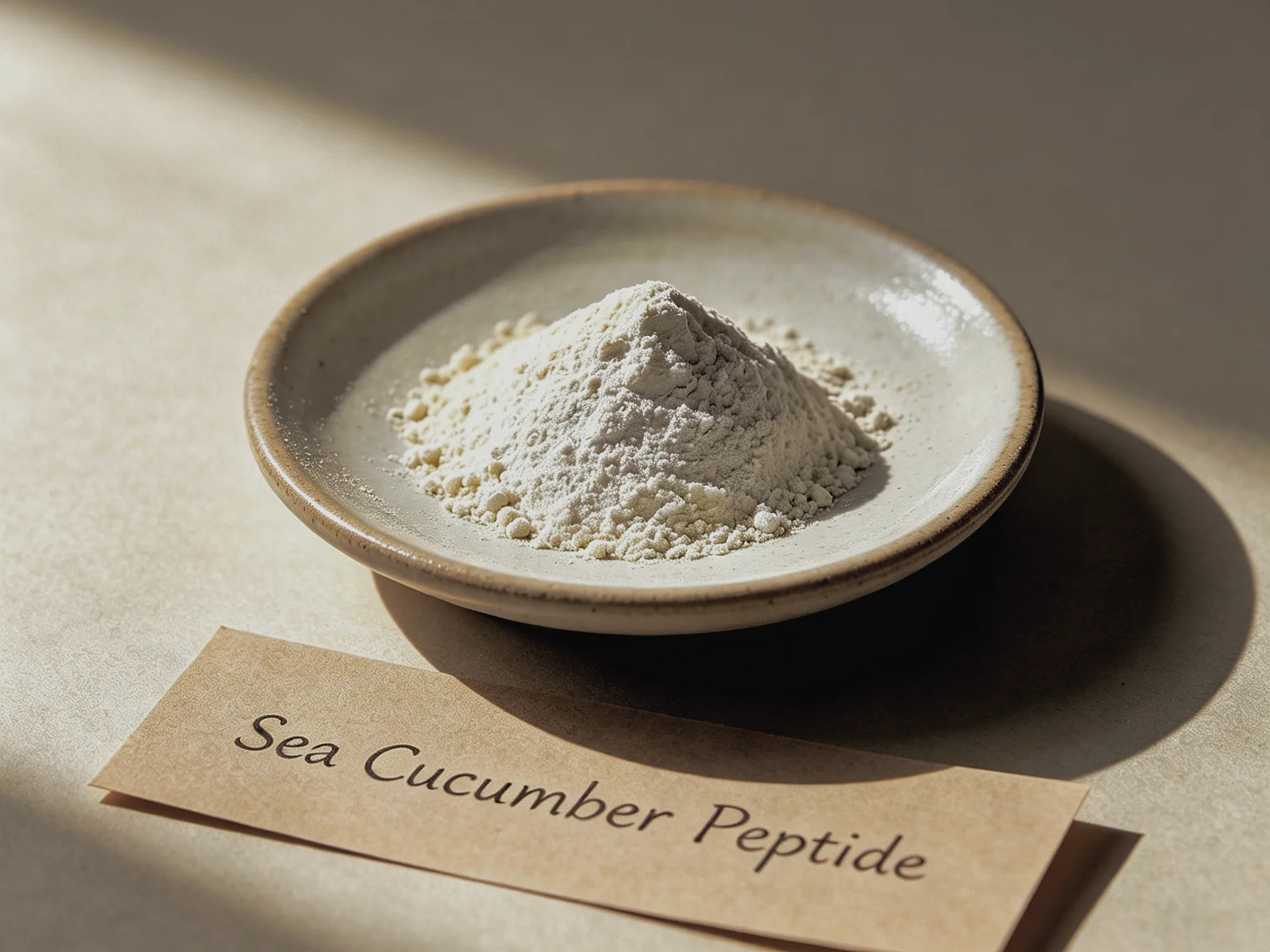
Protein Result Does Not Establish Collagen Purity or Saponin Content
The certificate names the product Sea Cucumber Collagen Peptide and reports 92.21% under the Protein assay. It does not provide a separate quantitative collagen assay, hydroxyproline result, saponin assay, polysaccharide assay, chondroitin sulfate result or hyaluronic-acid result. Those values should not be used as standardized product claims unless supported by separate current documentation.
Sea Cucumber-Derived Collagen Peptide Ingredient
The analytical certificate identifies the product as Sea Cucumber Collagen Peptide and lists Sea Cucumber as the origin. It controls protein, nitrogen, molecular weight, ash, loss on drying, heavy metals, microbiology, mesh size and bulk density.
For commercial qualification, the current COA should be reviewed together with Latin species identification, anatomical raw-material part, harvest or aquaculture status, hydrolysis-process documentation and market-specific compliance files where required.
Batch 20260925 Snapshot
Batch results are displayed separately from specification limits so procurement and R&D teams can distinguish tested values from the product standard.
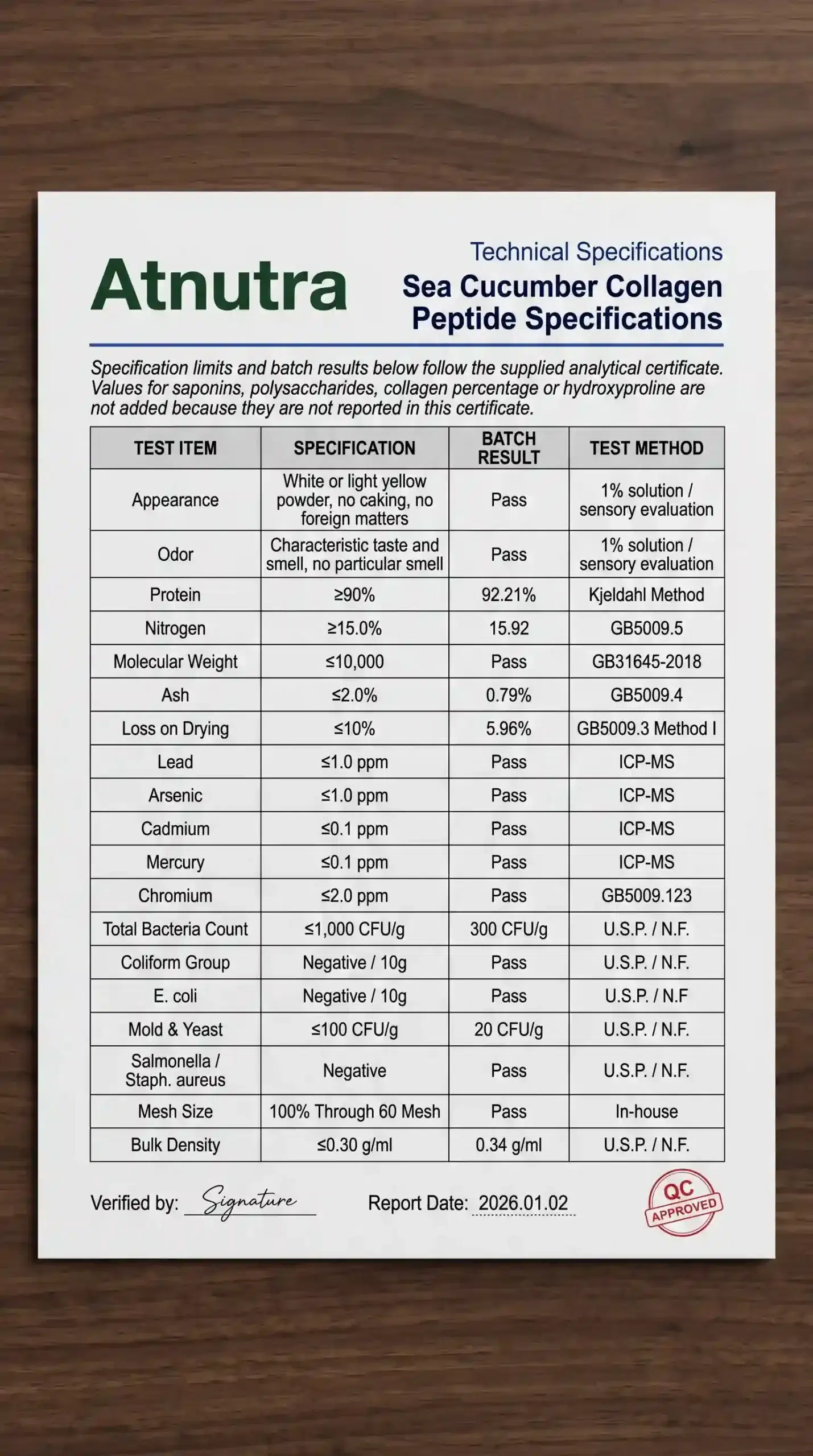
Sea Cucumber Collagen Peptide Specifications
Specification limits and batch results below follow the supplied analytical certificate. Values for saponins, polysaccharides, collagen percentage or hydroxyproline are not added because they are not reported in this certificate.
| Test Item | Specification | Batch Result | Test Method |
|---|---|---|---|
| Appearance | White or light yellow powder, no caking, no foreign matters | Pass | 1% solution / sensory evaluation |
| Odor | Characteristic taste and smell, no particular smell | Pass | 1% solution / sensory evaluation |
| Protein | ≥90% | 92.21% | Kjeldahl Method |
| Nitrogen | ≥15.0% | 15.92 | GB5009.5 |
| Molecular Weight | ≤10,000 | Pass | GB31645-2018 |
| Ash | ≤2.0% | 0.79% | GB5009.4 |
| Loss on Drying | ≤10% | 5.96% | GB5009.3 Method I |
| Lead | ≤1.0 ppm | Pass | ICP-MS |
| Arsenic | ≤1.0 ppm | Pass | ICP-MS |
| Cadmium | ≤0.1 ppm | Pass | ICP-MS |
| Mercury | ≤0.1 ppm | Pass | ICP-MS |
| Chromium | ≤2.0 ppm | Pass | GB5009.123 |
| Total Bacteria Count | ≤1,000 CFU/g | 300 CFU/g | U.S.P. / N.F. |
| Coliform Group | Negative / 10g | Pass | U.S.P. / N.F. |
| E. coli | Negative / 10g | Pass | U.S.P. / N.F. |
| Mold & Yeast | ≤100 CFU/g | 20 CFU/g | U.S.P. / N.F. |
| Salmonella / Staph. aureus | Negative | Pass | U.S.P. / N.F. |
| Mesh Size | 100% Through 60 Mesh | Pass | In-house |
| Bulk Density | ≥0.30 g/ml | 0.34 g/ml | U.S.P. / N.F. |
What Buyers Should Verify in Sea Cucumber Peptide Powder
Commercial search results emphasize peptide or protein assay, molecular weight, source, COA, samples, packaging, MOQ and traceability. For a specialty marine ingredient, species and raw-material identity deserve extra attention.
Protein & Molecular Weight
The certificate specifies ≥90% protein and molecular weight ≤10,000. The batch reports 92.21% protein and passes the molecular-weight specification.
Species & Raw-Material Identity
The certificate states Sea Cucumber as the origin but does not identify a Latin species or anatomical raw-material part. Request those declarations before making species-specific claims.
Marker & Traceability Documents
If the commercial story depends on saponins, polysaccharides, collagen markers, wild-caught status or harvest area, request product-specific testing and traceability documents first.
Sea Cucumber Peptide for Product Development
These are potential formulation pathways, not therapeutic claims. Confirm sensory performance, finished-product stability, dosage and regulatory suitability in the intended market.
Premium Marine Formulas
Evaluate sea cucumber peptide as a differentiated marine-protein ingredient for premium nutraceutical product concepts.
Drink Powders
Review dispersibility, flavor, odor, serving size and stability within the actual finished powder system.
Capsules & Tablets
Assess powder handling, density, serving size and excipient compatibility in the intended solid dosage form.
Marine Peptide Blends
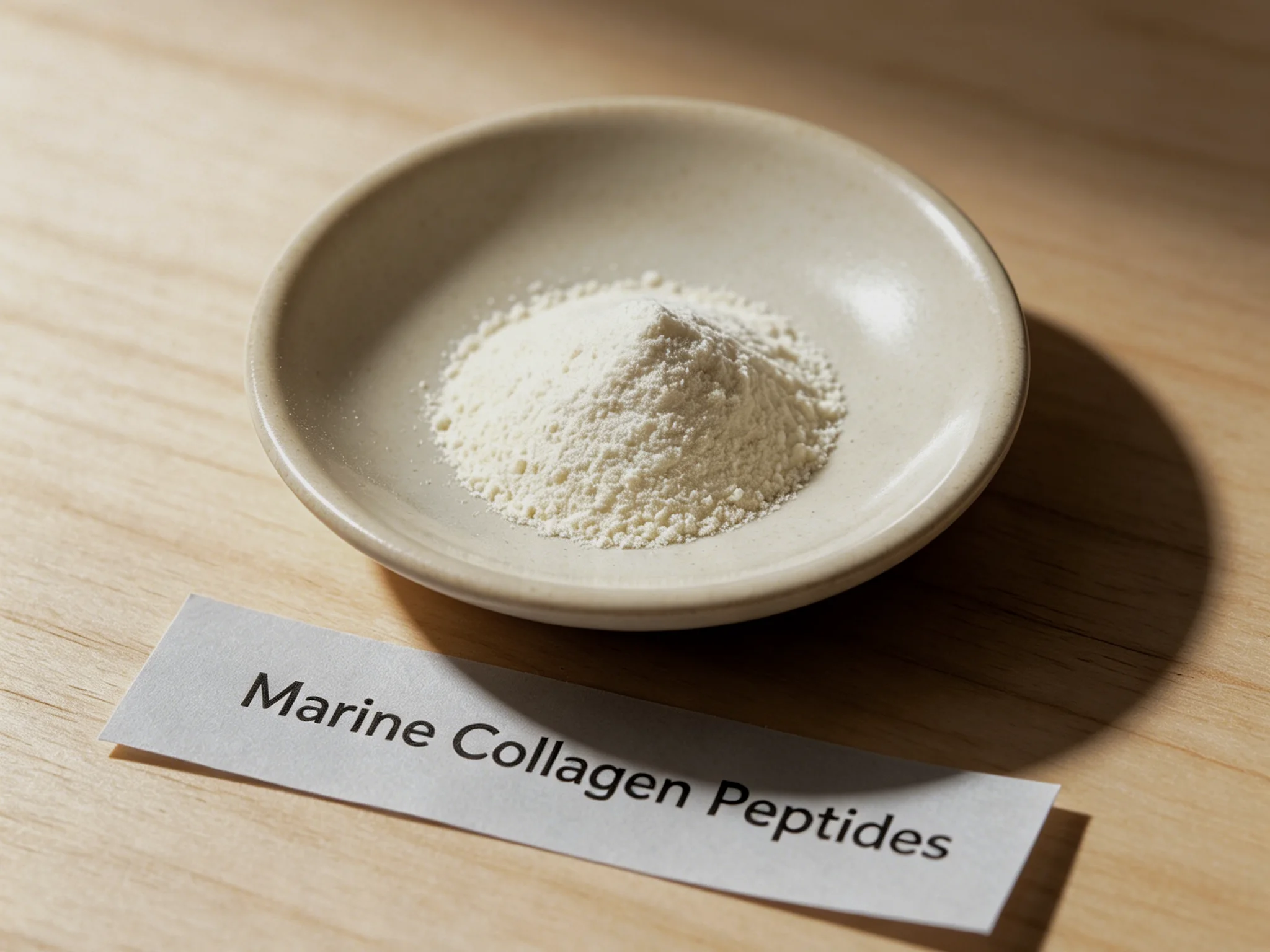
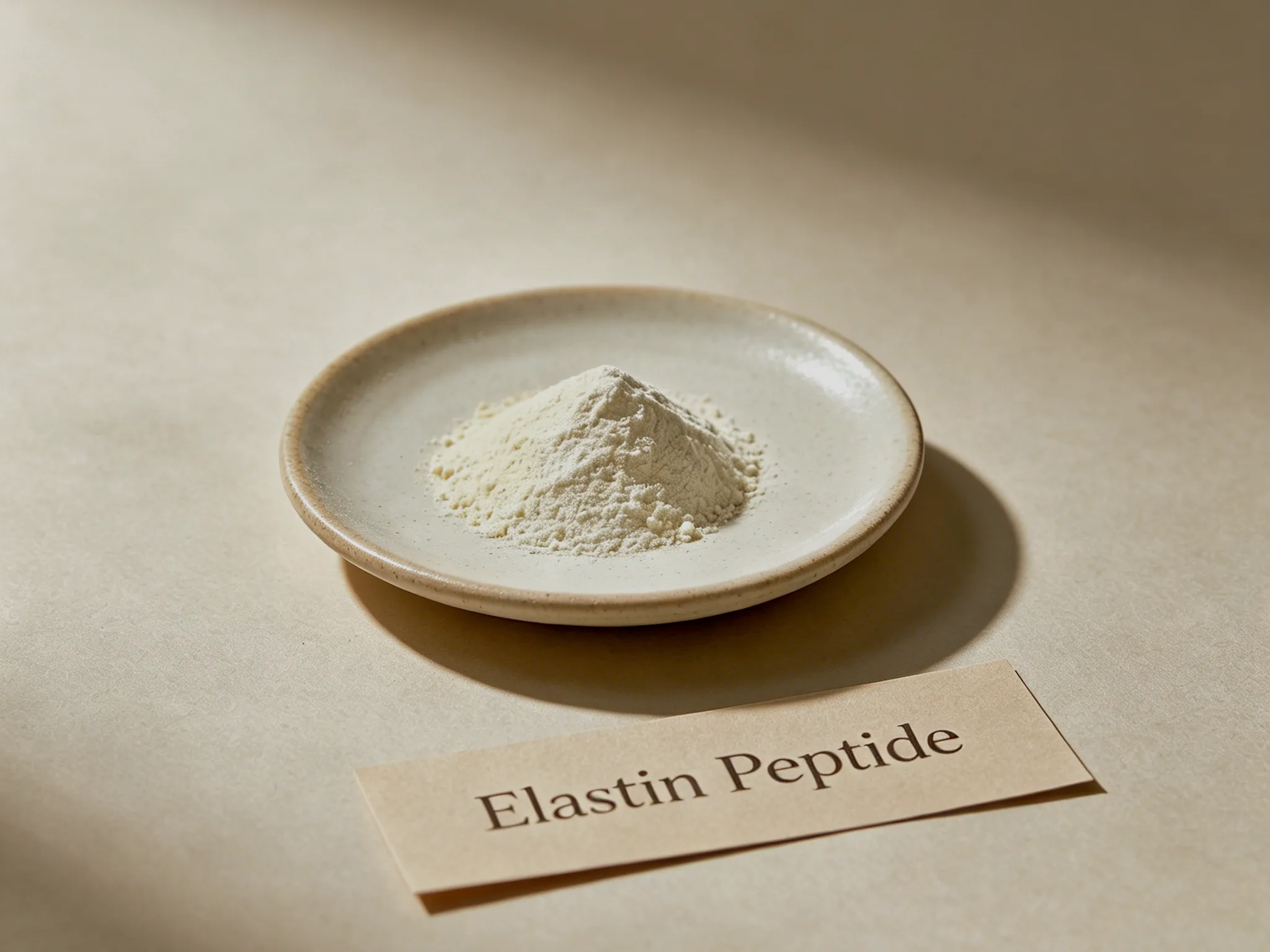
Evaluate compatibility with marine collagen, elastin peptide and other specialty protein ingredients without transferring unsupported benefit claims.
What to Request from a Sea Cucumber Peptide Supplier
Current SERP competitors frequently add species, peptide purity, saponin, polysaccharide, wild-caught and clinical-function claims. Those claims should be separated from the analytical data actually supplied for this product.
Confirm protein, molecular-weight specification, density, metals and microbiology on the commercial lot.
The analytical certificate states Sea Cucumber but does not identify Apostichopus, Holothuria or another Latin species.
Request body-wall, intestinal, whole-animal or other source-part documentation, together with country, harvest area and farmed/wild status where required.
The certificate controls molecular weight but does not describe the hydrolysis method, enzyme system or full manufacturing flow.
Request separate assays before making standardized saponin, polysaccharide, collagen-purity or hydroxyproline claims.
The certificate documents 20 kg net per bag and an 800 kg batch quantity. Confirm current MOQ, stock and lead time separately.
Sea Cucumber Peptide Sourcing Questions
What is the source of this Sea Cucumber Collagen Peptide?
The analytical certificate identifies the origin as Sea Cucumber. It does not provide a Latin species or anatomical raw-material part.
What is the protein specification?
Protein is specified at ≥90%. Batch 20260925 reports 92.21%.
Does 92.21% mean 92.21% collagen?
No. The certificate reports 92.21% under the Protein test item. It does not provide a separate quantitative collagen-purity result.
What is the molecular weight specification?
The analytical certificate specifies molecular weight at ≤10,000 and reports the batch as passing that specification.
Does the COA verify sea cucumber saponins?
No. Saponins are not included as a quantitative test item in this certificate. Separate product-specific analysis is required before publishing a standardized saponin claim.
Does it contain quantified polysaccharides or chondroitin sulfate?
Those components are not quantified in the supplied analytical certificate. They should not be presented as standardized product specifications without separate testing.
What packaging is documented?
The certificate lists 20 kg net weight per bag and 20.5 kg gross weight per bag. The batch quantity is 800 kg.
Is the sea cucumber wild-caught or farmed?
The certificate does not state harvest status, species, country of origin or harvest area. Request traceability documents if those details matter to your market.
Can I request current technical documents and an evaluation sample?
Yes. Contact ATNUTRA with your intended formulation, destination market, documentation requirements and expected commercial volume.
Compare Other Collagen & Peptide Ingredients
Compare source identity, analytical specifications and documentation requirements before selecting a marine ingredient for your formulation.
Ready to Source Sea Cucumber Peptide Powder?
Tell us your intended formulation, destination market and expected volume. Request the current COA, species and traceability documents, formulation sample availability and a commercial quotation.